




What's Happening?
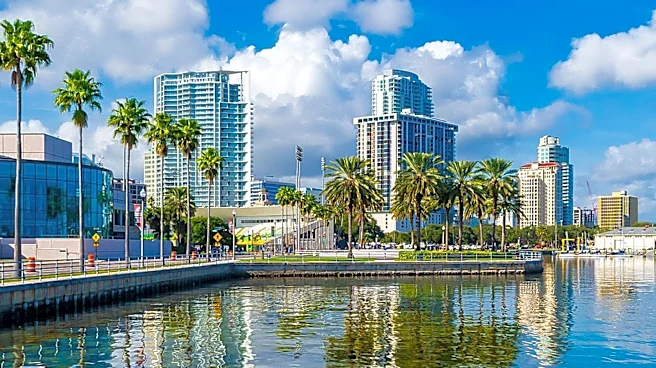
The waterfront area of St. Petersburg, Florida, is a vibrant hub featuring parks, marinas, museums, restaurants, and entertainment venues. Key locations include Beach Drive, St. Pete Pier, and Vinoy Park. St. Petersburg, often called 'St. Pete,' is recognized
for its thriving downtown, waterfront parks, arts scene, and professional sports. The city, along with St. Pete Beach, offers a blend of urban amenities and beachfront living within the greater Tampa Bay metropolitan area. St. Petersburg was founded in the late 1800s, with early growth driven by tourism and agriculture. By the mid-20th century, it became a major destination for retirees, tourists, and seasonal residents. The St. Pete Pier is a significant waterfront attraction with walking paths, restaurants, playgrounds, and fishing areas, providing views of Tampa Bay. The Salvador Dalí Museum, housing one of the largest collections of Dalí's works outside Europe, is also an architectural landmark along the downtown waterfront. Fort De Soto Park, located south of St. Petersburg, is known for its beaches, wildlife, and biking trails, offering opportunities for kayaking, birdwatching, fishing, and camping.
Why It's Important?
The continued development and popularity of St. Petersburg's waterfront are significant for the region's economy and quality of life. The diverse attractions, from cultural institutions like the Salvador Dalí Museum to recreational areas like St. Pete Pier and Fort De Soto Park, draw tourists and new residents, contributing to economic growth through hospitality, retail, and real estate. The area's appeal as a destination for retirees, tourists, and seasonal residents supports a robust local economy. The presence of major highways like Interstate 275 and proximity to Tampa International Airport enhance accessibility, further boosting tourism and business. The housing market, with options ranging from waterfront condominiums to historic homes, remains in high demand, indicating a strong real estate sector. The city's growing population, including young professionals, families, and artists, signifies a dynamic and expanding workforce, which is crucial for sustained economic vitality. The emphasis on outdoor recreation and cultural attractions also enhances the overall appeal of the region, attracting talent and investment.
What's Next?
St. Petersburg and St. Pete Beach are expected to continue experiencing population growth and development, driven by their climate, economy, and coastal lifestyle. The ongoing demand for housing, particularly waterfront properties, suggests continued investment in real estate and infrastructure. The city's commitment to maintaining and enhancing its waterfront parks, cultural attractions, and recreational facilities will likely attract more visitors and residents. Educational institutions like the University of South Florida – St. Petersburg campus and St. Petersburg College will continue to support the city's growing student population and contribute to its intellectual capital. Future initiatives may focus on sustainable development to manage the influx of people and preserve the natural beauty of the Gulf Coast. The area's ability to balance urban living with beachfront amenities will be key to its sustained success, potentially leading to further enhancements in public spaces and community events to cater to its diverse population.
Beyond the Headlines
The success of St. Petersburg's waterfront development highlights a broader trend in urban planning where cities leverage natural assets to create vibrant, livable communities. The integration of cultural institutions, recreational spaces, and commercial venues along the waterfront fosters a strong sense of place and community identity. This approach not only boosts tourism and economic activity but also enhances the well-being of residents by providing access to green spaces and cultural experiences. The balance between preserving natural environments, such as Fort De Soto Park, and developing modern attractions like the St. Pete Pier, reflects a strategic vision for sustainable urban growth. The city's ability to attract a diverse population, from young professionals to retirees, underscores its appeal as a multifaceted destination. This model could serve as a blueprint for other coastal cities looking to revitalize their waterfronts and create dynamic urban centers that offer both economic opportunity and a high quality of life.