





What's Happening?
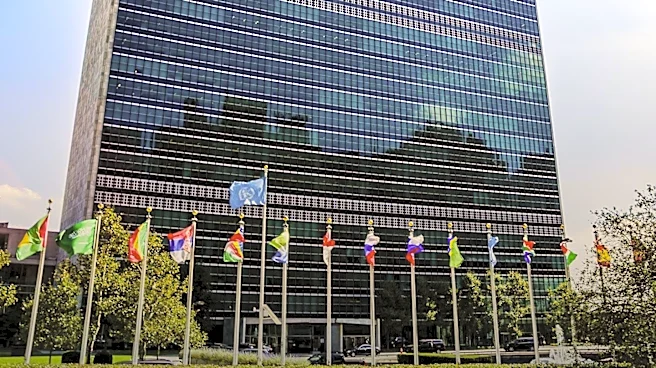
United Nations High Commissioner for Human Rights Volker Türk has called for an urgent and transparent investigation into the death of Mohammad el Shami, a UN staff member who died while in Houthi custody. El Shami, who worked at the UN Human Rights Office
in Yemen, had been arbitrarily detained by the Houthis since June 6, 2024. His family was only recently informed of his death, which reportedly occurred over a month ago, without any explanation regarding the cause or circumstances. Türk described el Shami's death as a 'heartbreaking loss' and demanded full disclosure of medical and detention records, preservation of evidence, and independent scrutiny to ensure accountability. He also expressed grave concern for the safety and well-being of other UN personnel, including seven colleagues from his office, as well as humanitarian and civil society workers who remain detained by the Houthis, appealing for their immediate and unconditional release. Yemeni Prime Minister Shaya al-Zindani condemned the death, holding the Houthis fully responsible and noting that over 70 UN staff members and dozens of humanitarian workers are still in Houthi custody. In June 2024, the Houthis announced the arrest of individuals accused of belonging to a US-Israeli 'spy network' in Yemen.
Why It's Important?
The death of a UN staff member in Houthi custody and the subsequent demand for an investigation by the UN High Commissioner for Human Rights underscore critical issues regarding human rights, international law, and the safety of humanitarian workers in conflict zones. This incident raises serious questions about the treatment of detainees by the Houthi authorities and their adherence to international norms. The lack of transparency surrounding el Shami's death and the continued detention of other UN and humanitarian personnel create a chilling effect on aid operations, potentially hindering the delivery of crucial assistance to a population already facing a severe humanitarian crisis. It also highlights the broader challenges faced by international organizations operating in areas controlled by non-state actors. The accusations by the Houthis of a 'US-Israeli spy network' further complicate the situation, potentially politicizing humanitarian work and increasing risks for those involved. This event could lead to increased international pressure on the Houthis and may prompt a re-evaluation of security protocols for UN and NGO staff in Yemen.
What's Next?
The UN's demand for an urgent investigation will likely put pressure on Houthi authorities to provide answers and transparency regarding Mohammad el Shami's death and the conditions of other detainees. However, it remains uncertain whether the Houthis will comply with these demands for an independent inquiry and full disclosure. International bodies and human rights organizations will likely continue to advocate for the release of all detained UN and humanitarian personnel. Depending on the Houthi response, there could be further diplomatic actions or condemnations from the international community. The incident may also lead to internal reviews within the UN and other aid organizations regarding their operational security and engagement protocols in Houthi-controlled areas. The ongoing detention of aid workers could further strain relations between the Houthis and international organizations, potentially impacting the flow of humanitarian aid into Yemen, where millions are dependent on it for survival. The situation will be closely monitored by human rights advocates and international observers.
Beyond the Headlines
The death of Mohammad el Shami in Houthi custody transcends a single tragic event, pointing to systemic issues of accountability and the erosion of protections for humanitarian workers in conflict zones. This incident highlights the precarious position of international organizations operating in environments where state authority is fragmented or contested, and where non-state actors may not adhere to international humanitarian law. The arbitrary detention and lack of transparency surrounding such deaths can foster an environment of impunity, making it increasingly dangerous for individuals dedicated to providing aid and monitoring human rights. Ethically, it raises profound questions about the responsibility of all parties in a conflict to ensure the safety and dignity of non-combatants and those working to alleviate suffering. Legally, it underscores the need for robust mechanisms to investigate and prosecute violations against humanitarian personnel. Culturally, such events can deepen mistrust between local populations, authorities, and international aid providers, complicating future relief efforts and long-term peacebuilding initiatives. The long-term implication is a potential weakening of the humanitarian space globally, as organizations may become more hesitant to operate in high-risk areas without credible assurances of safety and due process.