

What's Happening?
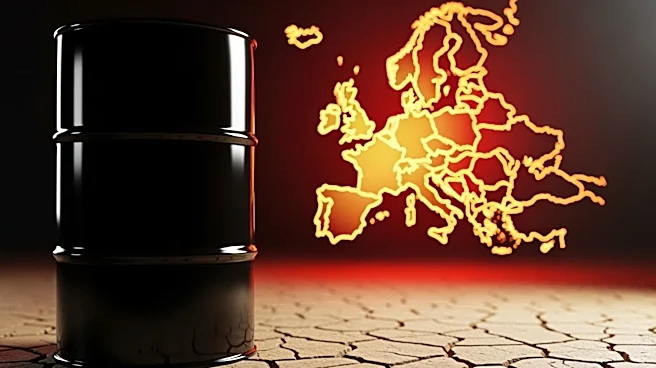
The European Union is confronting an energy crisis as the conflict in Iran disrupts global oil and gas supplies. The European Commission has urged citizens to reduce energy consumption by flying and driving less and working from home. The conflict, now
in its second month, has led to Iranian attacks on Gulf oil and gas sites, exacerbating fears of a supply crunch. Energy prices have surged, with oil and gas prices increasing by up to 70% since the conflict began. The EU is considering measures such as a price cap on gas and subsidies for industries heavily reliant on energy.
Why It's Important?
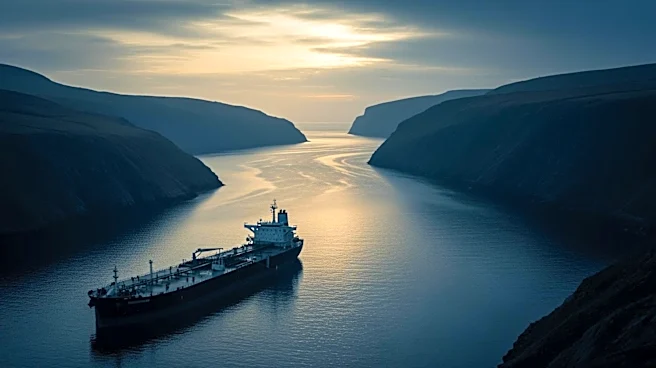
The energy crisis underscores the EU's vulnerability to geopolitical conflicts affecting energy supply routes, particularly the Strait of Hormuz. The situation highlights the EU's dependence on Middle Eastern energy and the need for diversification and investment in renewable energy sources. Rising energy prices could have significant economic repercussions, increasing inflation and impacting industries such as steel, cement, and fertilizer. The crisis also presents an opportunity for the EU to accelerate its transition to renewable energy, reducing reliance on fossil fuels and enhancing energy security.
What's Next?
The EU may implement strategies to mitigate the crisis, such as increasing investments in renewable energy and enhancing energy efficiency. Policymakers might explore diplomatic solutions to stabilize the region and secure energy supplies. The EU's response could influence global energy markets and set a precedent for handling similar crises in the future. The ongoing conflict may also prompt discussions on energy independence and the role of renewables in ensuring long-term energy security.