
What's Happening?
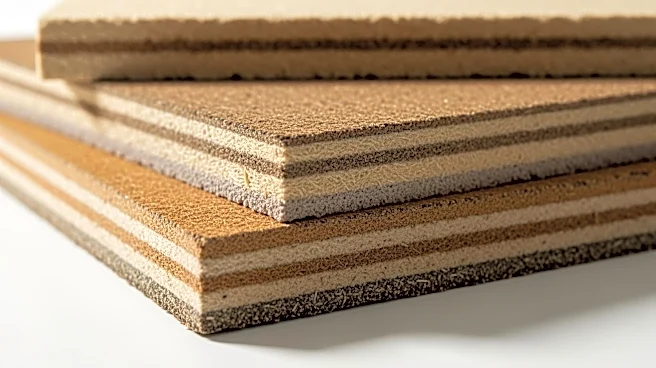
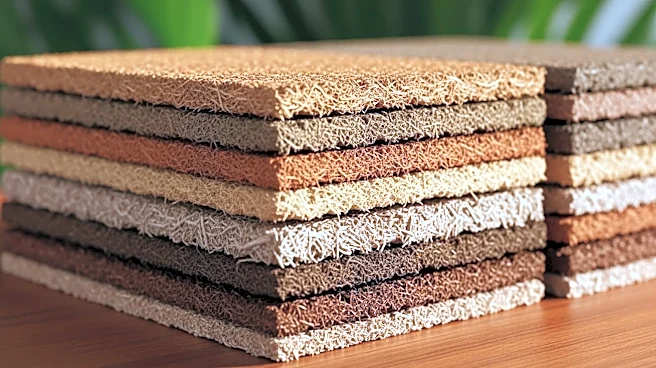
Researchers at the University of Pennsylvania are pioneering a new approach to sustainable architecture by converting food scraps into building materials. This innovative project aims to address both food waste
and the environmental impact of traditional construction materials. By using organic waste, the researchers hope to create eco-friendly alternatives that reduce the carbon footprint of building projects. This initiative is part of a broader trend in sustainable engineering that seeks to find new uses for waste products, thereby contributing to a circular economy.
Why It's Important?
The development of building materials from food scraps represents a significant advancement in sustainable construction practices. Traditional building materials often involve high energy consumption and carbon emissions, contributing to environmental degradation. By utilizing food waste, this research not only addresses the issue of waste management but also offers a more sustainable alternative to conventional materials. This could lead to a reduction in the environmental impact of the construction industry, which is a major contributor to global carbon emissions. Additionally, this approach supports the principles of a circular economy, where waste is minimized, and resources are reused.
What's Next?
The success of this research could pave the way for broader adoption of sustainable building practices. If these materials prove to be viable on a larger scale, they could be integrated into mainstream construction projects, potentially transforming the industry. Further research and development will be necessary to refine the materials and ensure they meet safety and durability standards. Collaboration with industry partners could facilitate the commercialization of these materials, making them more accessible to builders and developers. This innovation could also inspire similar projects in other sectors, promoting sustainability across various industries.
Beyond the Headlines
This project highlights the potential for innovative solutions to address environmental challenges. By rethinking waste as a resource, researchers are challenging traditional notions of production and consumption. This approach not only benefits the environment but also has economic implications, as it could reduce costs associated with waste disposal and material production. The project also underscores the importance of interdisciplinary collaboration, as it brings together expertise from fields such as engineering, environmental science, and architecture to create sustainable solutions.