
What's Happening?
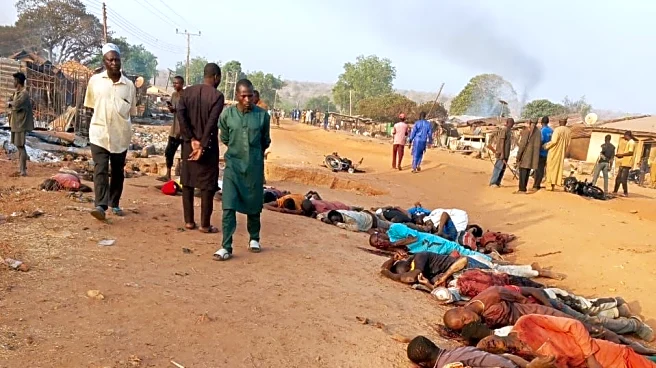
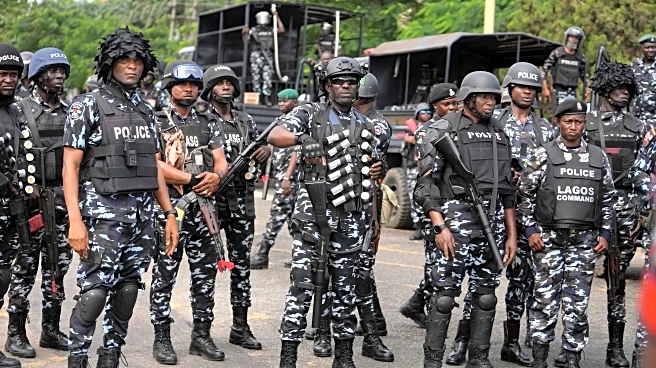
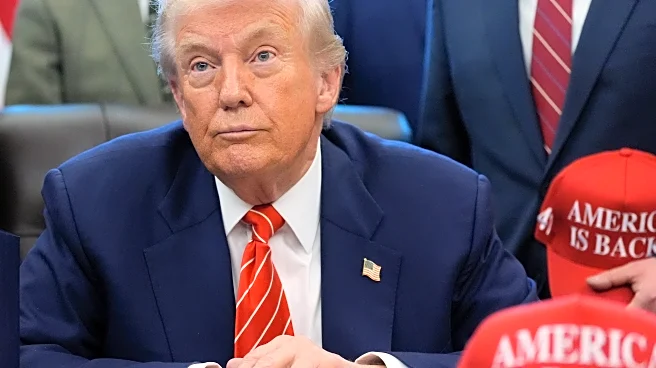
In a recent morning news brief, it was reported that President Trump announced U.S. military strikes against ISIS targets in Nigeria. This development comes as Congress reflects on a tumultuous year, marked
by significant legislative challenges and political debates. Additionally, despite low consumer confidence, holiday spending is expected to remain strong, indicating resilience in consumer behavior. The strikes in Nigeria are part of a broader U.S. strategy to combat terrorism and stabilize regions affected by extremist activities. Meanwhile, the economic outlook is being closely watched as holiday sales could provide insights into consumer sentiment and economic recovery.
Why It's Important?
The U.S. military action in Nigeria highlights the ongoing global efforts to combat terrorism and the strategic importance of Africa in these operations. This move could influence U.S. foreign policy and military strategy, particularly in regions where terrorist groups are active. The focus on holiday spending amidst low consumer confidence reflects the complex dynamics of the U.S. economy, where consumer behavior can significantly impact economic forecasts. Strong holiday sales could signal a positive trend for economic recovery, while also highlighting the challenges faced by retailers in adapting to changing consumer preferences and economic conditions.
What's Next?
As the U.S. continues its counterterrorism efforts, there will likely be ongoing assessments of the effectiveness of military operations in Nigeria and their impact on regional stability. In the economic sphere, analysts will be closely monitoring holiday sales data to gauge consumer confidence and its implications for future economic growth. Policymakers may use this data to inform decisions on fiscal and monetary policies aimed at supporting economic recovery. Additionally, Congress will continue to navigate legislative priorities, balancing domestic and international challenges as it enters a new year.