


What's Happening?
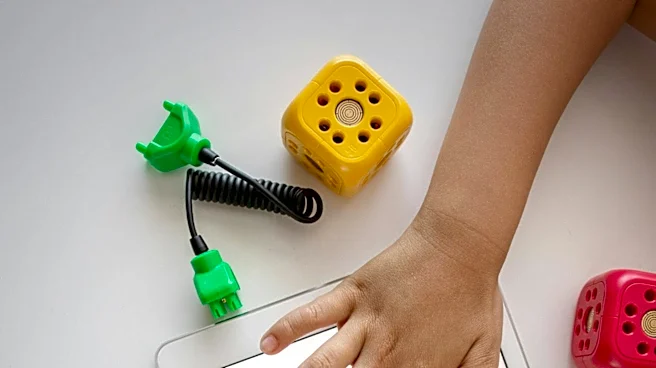
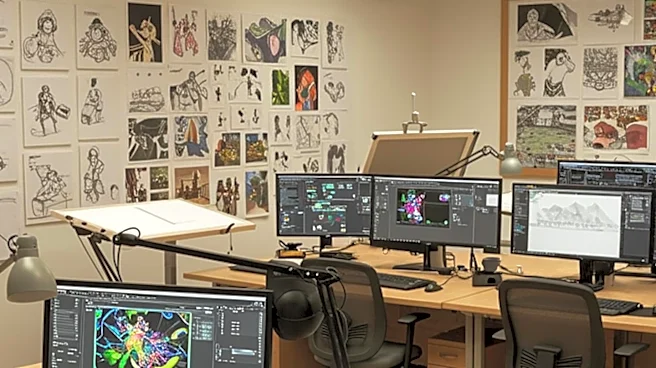
Rocky Mountain College of Art + Design (RMCAD) emphasizes the importance of effective classroom management in maker studios, which differ significantly from traditional classrooms. In these hands-on learning environments, students have the freedom to
move, gather supplies, and collaborate, rather than remaining seated for entire lessons. RMCAD advocates for organizing the space, routines, and expectations to ensure a smooth and productive learning experience. Key strategies include zoning the room for different activities, managing tools and materials, establishing cleanup systems, and prioritizing safety. This approach aims to foster a positive environment where students can focus on creation while remaining organized and secure. The maker movement, particularly in art education, encourages exploration, experimentation, and collaboration, moving away from uniform, step-by-step projects.
Why It's Important?
The shift towards maker studios in education reflects a broader trend in the U.S. to create inclusive and adaptive learning spaces that cater to diverse student needs. Effective management in these studios is crucial for maximizing student engagement and learning outcomes. By allowing students more autonomy and opportunities for hands-on work, maker studios can cultivate critical thinking, problem-solving skills, and creativity. The emphasis on safety protocols, such as risk assessment checklists and tool checkout systems, ensures that these dynamic environments remain secure, protecting students and school resources. This model also promotes responsibility and accountability among students, as they are actively involved in managing their learning space and materials. For educators, mastering these management techniques is essential to successfully implement innovative teaching methodologies and prepare students for future challenges.
What's Next?
Educators and institutions are expected to continue exploring and refining classroom management strategies tailored for maker studios. The insights from RMCAD suggest a growing need for professional development programs that equip teachers with the skills to manage these unique environments effectively. Future developments may include more sophisticated digital tool tracking systems, enhanced safety training for both students and staff, and further integration of maker education into various subject areas beyond art. The goal is to create learning spaces that are not only innovative but also highly functional, safe, and conducive to deep learning. As the maker movement gains traction, there will likely be increased demand for educational resources and best practices to support its widespread adoption.
Beyond the Headlines
The evolution of classroom management in maker studios points to a deeper philosophical shift in education, moving from a teacher-centric model to a student-centered one. This approach fosters a culture of inquiry, self-direction, and collaborative problem-solving, which are vital skills in the modern workforce. The focus on creating positive and inclusive environments also addresses the psychological safety of students, allowing them to flourish and take risks without fear of failure. This educational paradigm has the potential to reduce student disengagement and foster a lifelong love of learning. However, it also presents challenges, such as the need for significant investment in specialized equipment, ongoing teacher training, and a re-evaluation of traditional assessment methods to accurately capture the diverse learning outcomes in maker spaces.