

What's Happening?
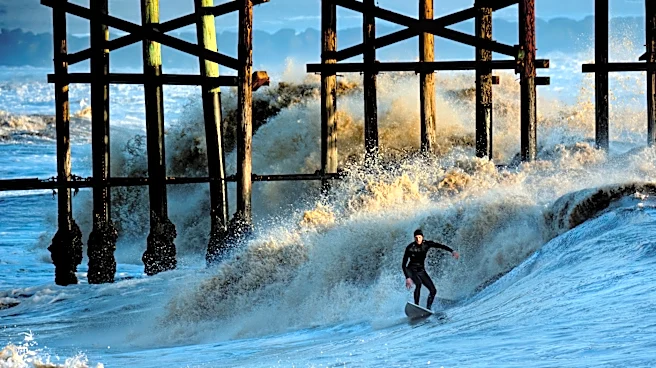
The United Nations' third World Ocean Assessment has highlighted the severe and accelerating pressure on the world's oceans, with the rate of sea-level rise doubling over the past decade. The report, which involved nearly 600 scientists from 86 countries,
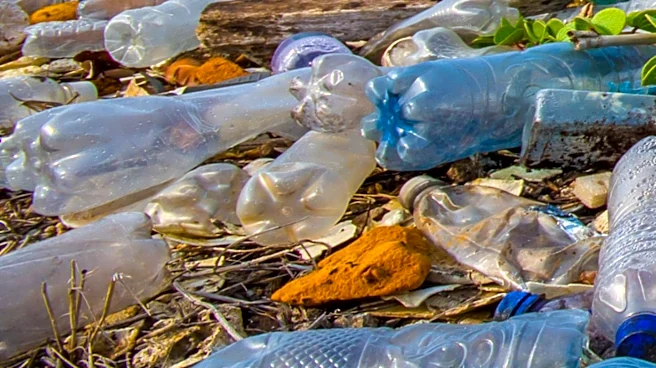
points to pollution and industrial fishing as major stressors contributing to biodiversity loss and ocean system strain. The assessment underscores the need for urgent global collaboration to protect marine ecosystems, as the ocean plays a crucial role in regulating climate and providing resources. Despite progress in ocean protection, governance remains fragmented, necessitating stronger coordination.
Why It's Important?
The findings of the UN report emphasize the critical state of the oceans, which are vital for climate regulation, biodiversity, and human resources. The doubling rate of sea-level rise and the influx of plastic waste pose significant threats to marine life and coastal communities. The report calls for a new relationship with the ocean, grounded in science and international law, to ensure sustainable management and protection. The urgency of the situation demands coordinated global efforts to address these challenges and prevent further degradation of marine ecosystems.
What's Next?
The report suggests that strengthening international collaboration and governance is essential to effectively protect the oceans. The implementation of the high seas treaty and other ocean protection agreements marks progress, but further efforts are needed to close gaps in knowledge and improve management strategies. Governments and organizations are urged to create protected ocean sanctuaries and reduce harmful activities like deep-sea mining and industrial fishing. Continued research and monitoring will be crucial in adapting to changes and ensuring the resilience of marine ecosystems.