




What's Happening?
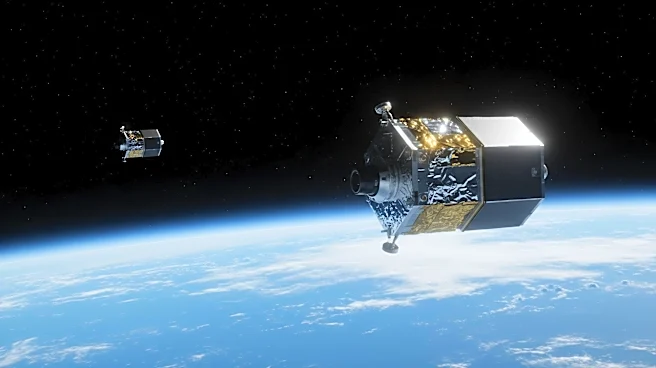
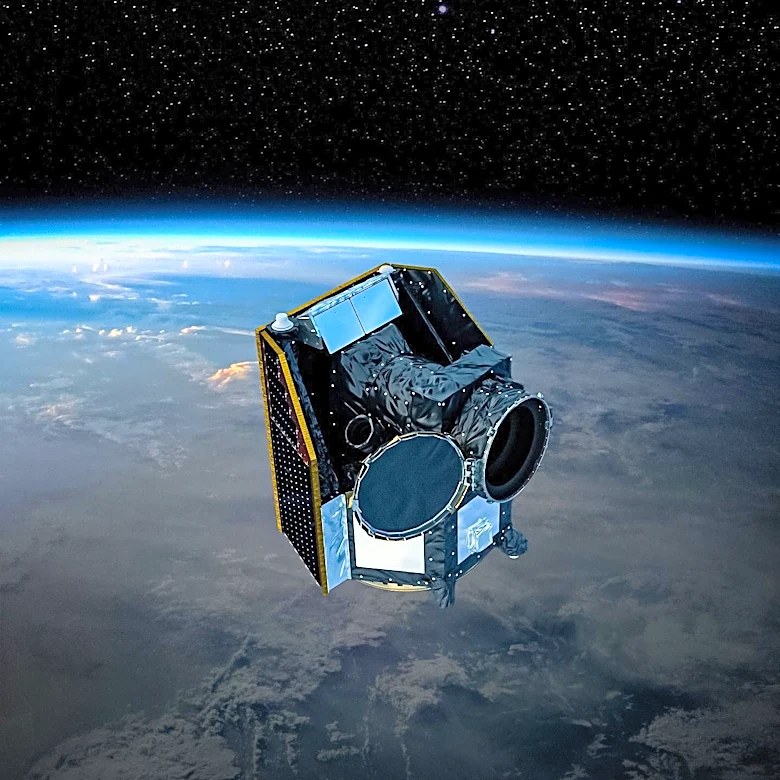
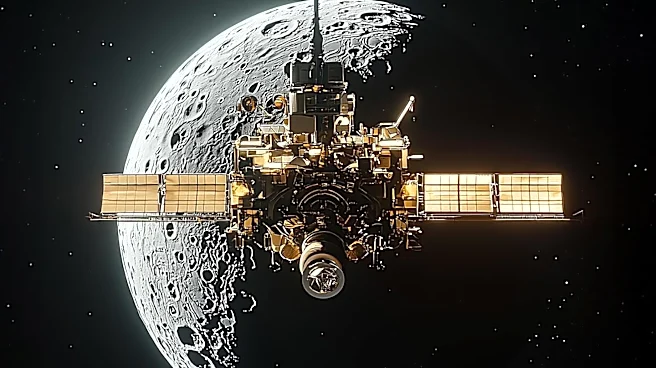
In a groundbreaking mission, the U.S. Space Force successfully completed the first-ever interception of a private spacecraft by another private spacecraft in orbit. The mission, known as Victus Haze, involved the Jackal satellite from True Anomaly intercepting
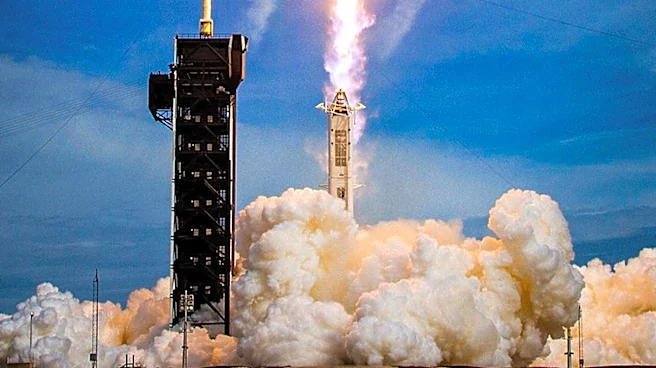
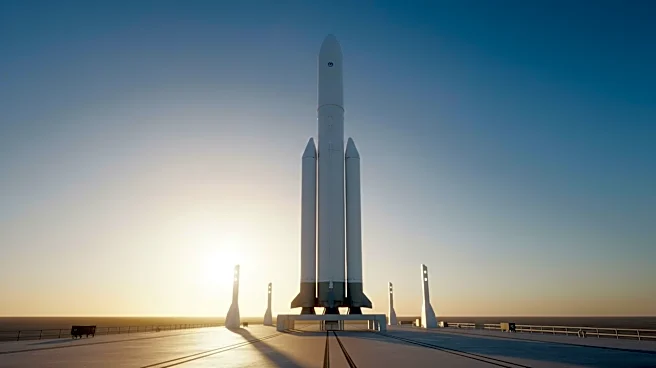
the Puma satellite from Rocket Lab. This exercise, completed 11 hours ahead of the 72-hour deadline, was designed to simulate the interception of an adversary spacecraft. The Jackal satellite, launched aboard a SpaceX Falcon 9 rocket, executed a series of maneuvers to approach, identify, and photograph the Puma satellite without physical contact. This mission marks a significant milestone in space defense capabilities, demonstrating the potential for rapid deployment and interception of satellites using private sector technology.
Why It's Important?
The successful completion of the Victus Haze mission underscores the growing role of private companies in national defense, particularly in space operations. By leveraging private sector technology, the U.S. Space Force can enhance its ability to monitor and potentially neutralize threats in orbit. This capability is crucial as the number of non-cooperative satellites increases, posing potential risks to national security. The mission also highlights the shift towards more agile and cost-effective space operations, reducing the time and resources traditionally required for such missions. For the private sector, this opens up new markets and opportunities in defense contracting, potentially leading to further innovations in space technology.
What's Next?
Following the success of the Victus Haze mission, the U.S. Space Force may explore further advancements in space defense, including the potential for physical engagement with target satellites. This could involve developing technologies to disable or redirect adversary satellites, further enhancing national security capabilities. Additionally, the reliance on private companies for such missions may lead to increased collaboration and investment in space technology, driving further innovation and competition in the industry.
Beyond the Headlines
The mission's success also raises important questions about the future of space as a domain for military operations. As private companies play a larger role in space defense, issues related to regulation, accountability, and international cooperation will become increasingly important. The ability to intercept and potentially neutralize satellites could have significant geopolitical implications, affecting global power dynamics and the strategic importance of space assets.