





What's Happening?
Residents across the United States are experiencing significant disruptions due to the rapid expansion of data centers. In Conover, North Carolina, Charcie Chavis reports that the construction of a Microsoft data center has transformed her neighborhood,
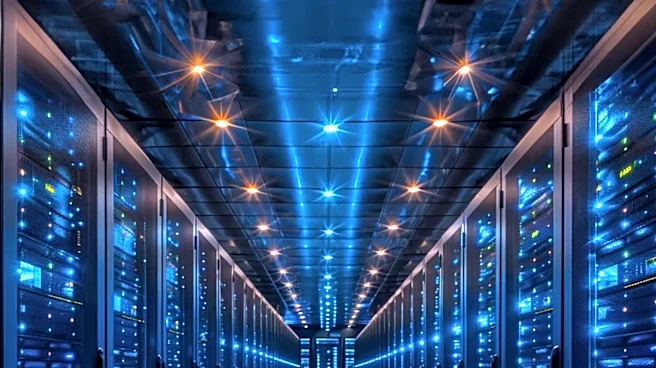
bringing noise and dust. Similarly, in Lowell, Massachusetts, Jake Fortes describes constant mechanical noise from a nearby facility operated by the Markley Group. These developments reflect a broader trend as the U.S. data center market continues to grow, driven by increasing demand for artificial intelligence and cloud computing. The U.S. Department of Energy projects that data centers could consume up to 12% of national electricity by 2028, up from 4.4% in 2023.
Why It's Important?
The expansion of data centers is crucial for supporting the growing demand for digital services, contributing significantly to the U.S. economy. The sector added nearly $727 billion to GDP in 2023 and supports millions of jobs. However, the rapid growth also poses challenges for local communities, including noise pollution, environmental impact, and changes in neighborhood character. Residents express concerns about transparency in development processes and the long-term implications of living near such facilities. The balance between economic benefits and community well-being is a critical issue as the industry continues to expand.
What's Next?
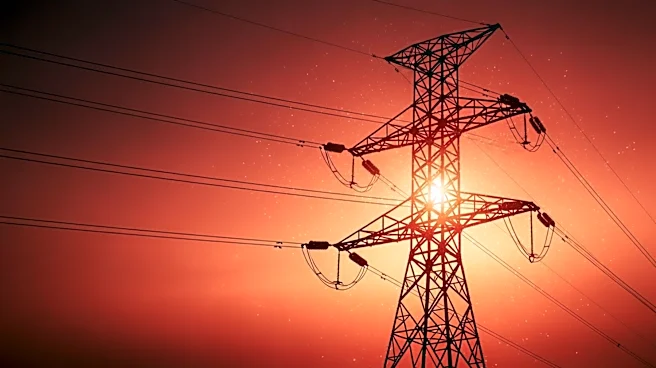
As data centers continue to proliferate, communities are likely to see more infrastructure development, including power lines and substations. Companies like Microsoft and Markley Group are working to mitigate construction impacts, but residents remain wary of future developments. Local governments and companies may need to enhance communication and transparency to address community concerns effectively. The ongoing expansion will require careful planning to ensure that economic growth does not come at the expense of residents' quality of life.
Beyond the Headlines
The expansion of data centers highlights broader issues of urban planning and environmental sustainability. As these facilities require substantial energy and resources, there is a growing need for sustainable practices and technologies to minimize their environmental footprint. Additionally, the development of data centers in residential areas raises questions about zoning laws and the rights of residents. The situation underscores the importance of balancing technological advancement with ethical and community considerations.