





What's Happening?
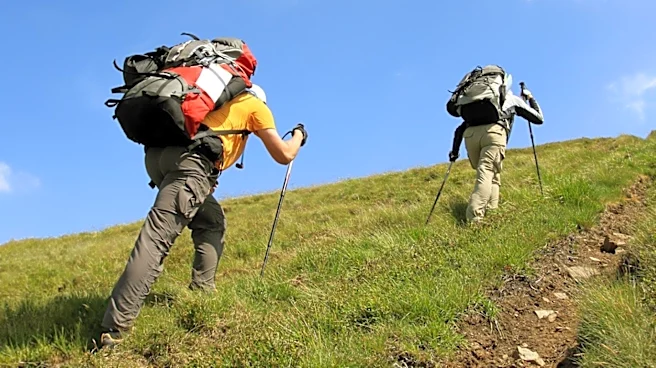
New Hampshire Fish and Game plans to bill four 18-year-old hikers from New Jersey who required rescue from Franconia Ridge. The group became stranded on Friday evening, with one hiker experiencing difficulty breathing and sore legs. Officials reported
that the hikers lacked essential supplies, including lights, sufficient water and food, and appropriate clothing for the strong winds and cold temperatures on the ridge. A rescue team hiked 4.2 miles over three hours to reach the individuals at 1:15 a.m. on Saturday. After providing lights, food, water, and warm clothing, the team guided the hikers to the trailhead, arriving at 9:07 a.m. The department intends to bill the hikers due to their lack of preparation for a 7 to 9-hour hike that they began at 3:30 p.m. The rescue operation was initially funded by the New Hampshire Hike Safe Card and the Search and Rescue Fund.
Why It's Important?
This incident highlights the critical importance of preparedness for outdoor activities, particularly in challenging environments like mountain ridges. The decision by New Hampshire Fish and Game to bill the hikers underscores a growing trend in some states to hold individuals accountable for rescue costs when their lack of preparation directly contributes to the need for emergency services. This policy aims to deter reckless behavior and encourage hikers to carry proper gear, understand weather conditions, and assess their physical capabilities before embarking on trails. For the public, it serves as a reminder that outdoor recreation comes with responsibilities, and negligence can lead to significant financial consequences in addition to personal danger. It also brings attention to the strain that preventable rescues place on state resources and emergency personnel.
What's Next?
The four hikers from New Jersey will likely receive a bill from New Hampshire Fish and Game for the costs associated with their rescue. This action could prompt discussions about the extent of personal responsibility in outdoor recreation and the role of state agencies in covering rescue expenses. It may also lead to increased awareness campaigns by outdoor organizations and state parks emphasizing the necessity of proper planning and equipment for hiking. Other states might observe New Hampshire's approach and consider implementing similar billing policies for rescues necessitated by clear negligence. The incident could also influence future legislative efforts regarding funding for search and rescue operations and the legal frameworks for cost recovery from individuals.
Beyond the Headlines
Beyond the immediate financial implications for the hikers, this event touches upon broader societal expectations regarding personal accountability and the allocation of public resources. It raises questions about the balance between encouraging outdoor activity and ensuring safety, particularly for inexperienced individuals. The incident could spark a debate on whether such billing policies disproportionately affect certain demographics or deter people from seeking help in genuine emergencies for fear of financial penalties. Furthermore, it highlights the educational gap that may exist for young or novice outdoor enthusiasts regarding the inherent risks and necessary precautions for activities like mountain hiking. The case could set a precedent for how similar situations are handled in the future, influencing both public perception and policy development in outdoor safety and rescue operations.