





What's Happening?
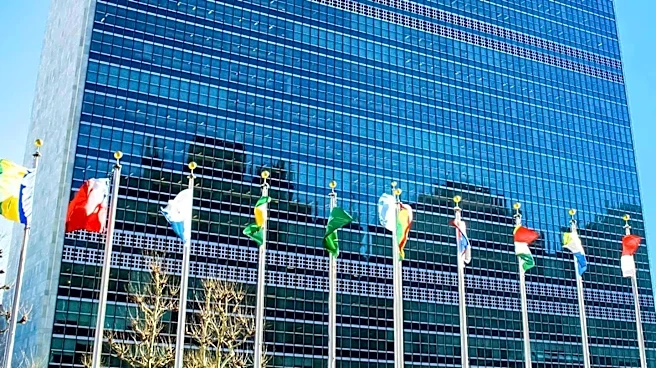
The UN Human Rights Council (HRC) is actively addressing the critical issues of civilian displacement and protection across various global conflict zones. In Sudan, the HRC has voiced significant concerns regarding the severe humanitarian conditions,
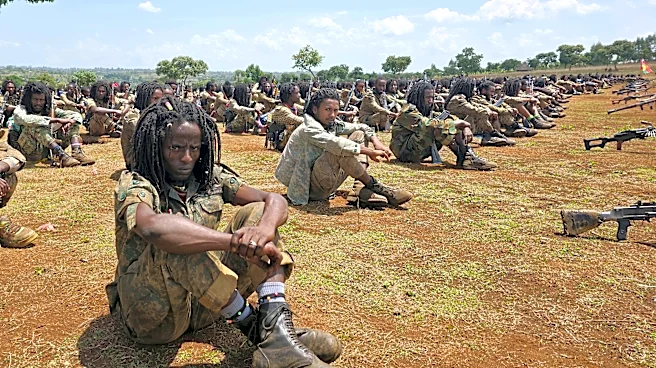
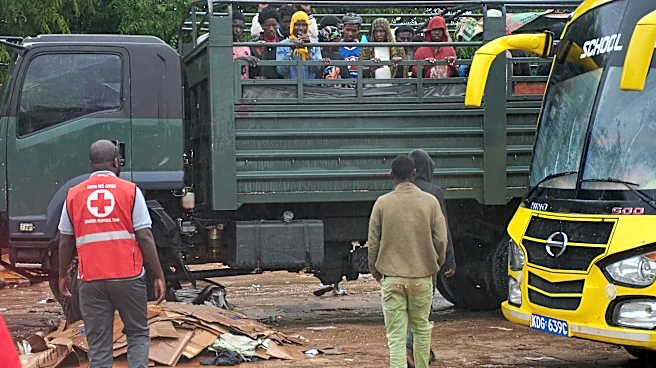
particularly in El Obeid, where drone attacks and ground fighting have exacerbated the crisis. The Council is advocating for the immediate protection of civilians and a cessation of hostilities to alleviate suffering. Similarly, in the occupied Palestinian Territory, the HRC has highlighted widespread destruction, displacement, and restrictions on movement, emphasizing the urgent need for civilian protection and unimpeded humanitarian access. Furthermore, the UNHCR, a UN agency, has expressed apprehension about the forced returns of refugees to Afghanistan, stressing that all returns must be voluntary and conducted safely. These concerns underscore a broader UN focus on safeguarding vulnerable populations in areas affected by conflict and instability, ensuring their rights and access to essential services are maintained amidst ongoing crises.
Why It's Important?
The HRC's focus on civilian displacement and protection is crucial for upholding international humanitarian law and human rights principles. The situations in Sudan and the occupied Palestinian Territory exemplify how armed conflicts disproportionately affect civilians, leading to mass displacement, loss of life, and destruction of essential infrastructure. The UN's intervention aims to mitigate these impacts, advocating for measures that protect non-combatants and ensure their access to humanitarian aid. The UNHCR's stance on voluntary returns to Afghanistan is particularly significant, as forced repatriations can expose individuals to further danger and instability, undermining the very concept of refugee protection. These efforts are vital for maintaining global stability, preventing further humanitarian catastrophes, and ensuring that nations adhere to their obligations under international law. The outcomes of these interventions can set precedents for how future conflicts are managed and how displaced populations are treated worldwide.
What's Next?
The UN Human Rights Council and associated agencies like UNHCR will likely continue to monitor and report on the human rights situations in Sudan, the occupied Palestinian Territory, and Afghanistan. This will involve ongoing advocacy for the protection of civilians, calls for adherence to international humanitarian law, and efforts to facilitate humanitarian access. For Sudan, continued pressure for a ceasefire and safe corridors for aid delivery is anticipated. In the Palestinian context, the focus will remain on ensuring the protection of civilians and addressing the root causes of displacement and restrictions. Regarding Afghanistan, UNHCR will persist in urging host countries to ensure voluntary and safe returns, while also seeking increased funding for humanitarian assistance to support displaced and returning populations within Afghanistan. These efforts will involve diplomatic engagements, public statements, and potentially the deployment of assessment missions to gather further evidence and promote compliance with international norms.
Beyond the Headlines
The ongoing challenges of civilian displacement and protection highlight deeper systemic issues within international relations and conflict resolution. The HRC's repeated interventions underscore the limitations of existing international frameworks in preventing and responding to humanitarian crises effectively. The situations in Sudan, the occupied Palestinian Territory, and Afghanistan reveal a complex interplay of political, economic, and social factors that drive displacement and hinder protection efforts. These events also raise ethical questions about the responsibility of the international community to intervene and protect vulnerable populations, especially when national governments are unable or unwilling to do so. The long-term implications include potential shifts in international law regarding state sovereignty versus humanitarian intervention, and the need for more robust mechanisms to ensure accountability for violations of human rights and humanitarian law. The increasing frequency and scale of displacement also challenge global resources and solidarity, prompting a re-evaluation of how humanitarian aid is funded and distributed.