







What's Happening?
The Pacific Asia Travel Association (PATA) and the Sanya Tourism Board (STB) are hosting their third annual exchange event in Sanya, Hainan, China, from November 18 to 20, 2026. This event brings together tourism authorities, international tourism organizations,
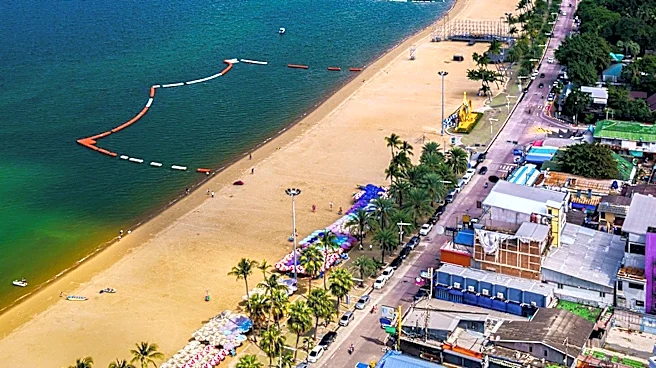
destination management bodies, and industry stakeholders from 16 countries and regions. The primary goal is to exchange knowledge and explore sustainable development approaches for coastal destinations. A key initiative during the event will be the launch of the Coastal Tourism Destination Alliance (CTDA) Initiative, which aims to establish a framework for international cooperation and knowledge exchange among coastal destinations. The program includes thematic site visits and expert-led discussions focusing on sustainable nature-based, cultural, urban, and resort destinations. These discussions will cover topics such as ecosystem conservation, cultural heritage preservation, visitor management, and innovative destination development. The event also features the signing of memoranda of understanding between STB and PATA, the Global Sustainable Tourism Council (GSTC), and Atlantis Sanya, to foster cooperation in areas like international sustainable tourism standards and industry exchange.
Why It's Important?
This collaboration is significant for the global tourism industry, particularly for coastal regions facing environmental and cultural preservation challenges. By fostering international dialogue and knowledge exchange, the initiative aims to develop more sustainable and resilient tourism models. The focus on urban tourism, for instance, seeks to revitalize urban destinations, enhance visitor experiences, and develop new business models, potentially influencing how U.S. coastal cities approach tourism development. The emphasis on integrating technology into destination management and promoting sustainable practices could set new benchmarks for the industry worldwide, including in the U.S. The formation of the Coastal Tourism Destination Alliance could create a powerful network for sharing best practices, which U.S. tourism stakeholders could leverage to address similar challenges in their own coastal areas. Furthermore, the event's focus on balancing tourism development with environmental protection and community interests highlights a growing global trend that U.S. tourism policies and businesses will increasingly need to consider.
What's Next?
The event will conclude its formal program on November 20, 2026, with B2B meetings connecting international travel trade delegates with Sanya's tourism businesses. A delegate sharing and networking session will follow, providing opportunities for participants to reflect on their experiences and explore future cooperation. The launch of the Coastal Tourism Destination Alliance (Preparatory Phase) will lay the groundwork for the Alliance's future development, indicating a long-term commitment to international collaboration. The signed memoranda of understanding will likely lead to concrete projects and exchanges in sustainable tourism standards and industry practices. Future trends will likely see increased adoption of integrated development models that prioritize sustainability and technology, influencing how tourism destinations globally, including those in the U.S., plan and manage their growth.
Beyond the Headlines
The initiative reflects a broader global shift towards more responsible and sustainable tourism, moving beyond traditional models that often prioritize economic gain over environmental and cultural well-being. The emphasis on community involvement and cultural heritage preservation underscores a growing recognition of tourism's social impact. For the U.S., this trend could mean increased pressure on tourism operators and policymakers to adopt more sustainable practices, invest in local communities, and protect natural resources. The integration of technology for smart destination management also points to a future where data-driven decisions and seamless digital experiences become standard, potentially transforming how U.S. cities manage visitor flows and enhance their tourism offerings. This collaborative approach could also inspire similar alliances and knowledge-sharing platforms within the U.S. to tackle regional tourism challenges more effectively.