




What's Happening?
On Labor Day, Representatives Debbie Dingell, Steven Horsford, Donald Norcross, and Mark Pocan, co-chairs of the Congressional Labor Caucus, issued a joint statement emphasizing the historical significance of the labor movement and the ongoing fight for workers'
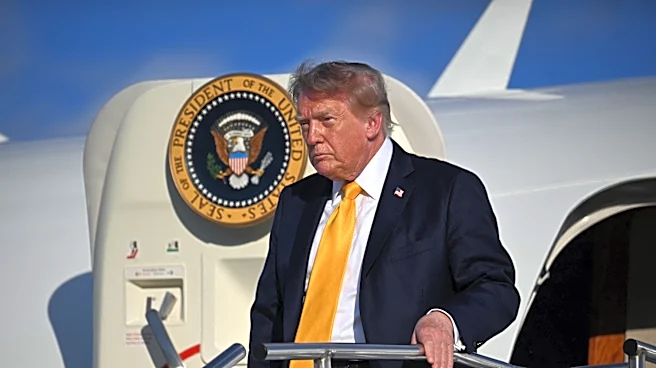
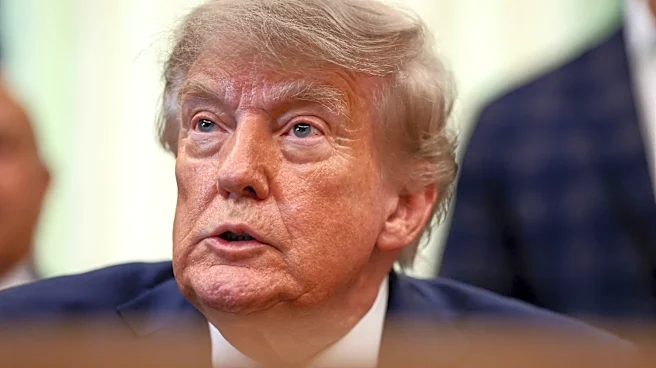
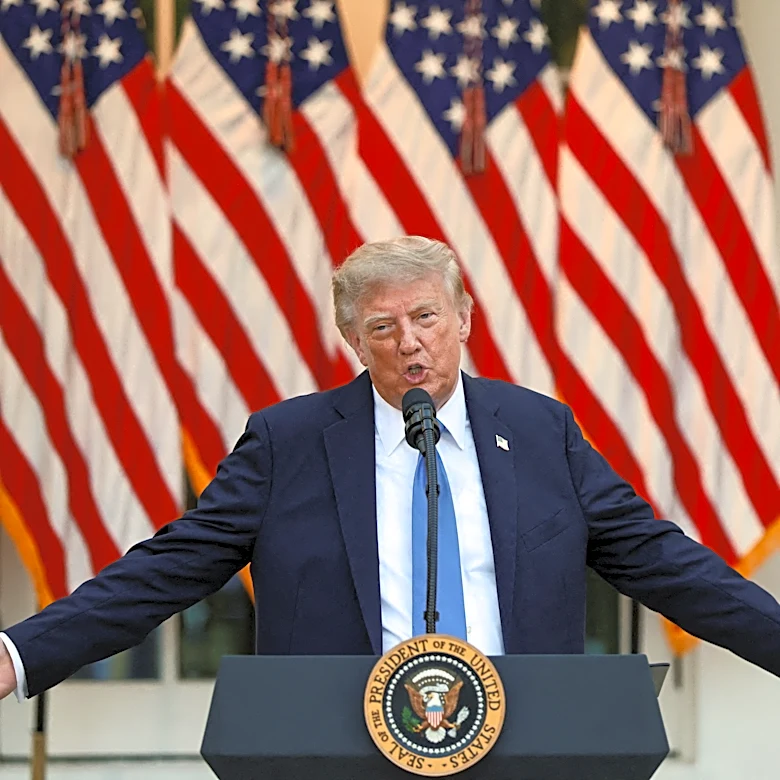
rights. They highlighted that Labor Day weekend, a time for leisure for many Americans, was secured through the sacrifices and solidarity of the labor movement. The representatives noted that despite the hard work of millions, many Americans feel that neither political party addresses their needs, facing rising prices and widening inequality. They pointed out that the current economic climate, marked by corporate consolidation and anti-worker behavior, mirrors conditions during the Industrial Revolution when workers fought for basic protections like the eight-hour workday. The statement specifically criticized the Trump administration for allegedly emboldening anti-worker actions and the National Labor Relations Board (NLRB) for delays in addressing unfair labor practice charges, citing the illegal firing of Gwynne Wilcox which prevented the Board from having a quorum.
Why It's Important?
This statement from the Congressional Labor Caucus co-chairs underscores a critical juncture in the U.S. labor landscape, where the balance of power between corporations and workers is a central theme. The call for bold action to empower working people reflects a broader societal concern about economic inequality and the erosion of the middle class. The emphasis on protecting and expanding the right to organize, including passing the PRO Act, highlights legislative priorities aimed at strengthening collective bargaining, which is seen as a vital tool for improving wages, benefits, and working conditions. The critique of the Trump administration's policies and the NLRB's actions suggests a partisan divide on labor issues, with implications for future regulatory environments and worker protections. The mention of millions of workers willing to join unions indicates a potential for significant shifts in labor force dynamics and corporate accountability, impacting various industries and the overall U.S. economy.
What's Next?
The Congressional Labor Caucus plans to continue advocating for a modern economic vision that prioritizes working people. Their immediate focus includes protecting and expanding the right to organize, with a specific push for the passage of the PRO Act and other meaningful labor reforms. This legislative agenda aims to rebalance power towards workers through collective bargaining. Additionally, the caucus intends to support high-standard workforce development programs, re-establish fair trade practices, and address the harms of offshoring to create more jobs and raise wages. They also advocate for increasing the federal minimum wage, which has been frozen at $7.25 for 17 years, and expanding access to essential benefits like paid leave, healthcare, and dignified retirement. The ongoing efforts to mobilize workers and their advocates suggest continued pressure on policymakers and corporations to address issues of economic equity and worker protections.
Beyond the Headlines
The statement from the Congressional Labor Caucus delves into the deeper societal implications of labor rights, framing the current economic challenges as a failure to deliver on the promise of the American dream for many working families. The historical context provided, drawing parallels to the Industrial Revolution, suggests a cyclical nature of labor struggles and the enduring need for collective action. The criticism of corporate consolidation and the alleged anti-union stance of the Trump administration points to a broader ideological battle over economic governance and the role of government in regulating the market. The emphasis on the moral imperative to reward hard work over corporate greed touches upon fundamental ethical considerations regarding wealth distribution and social justice. This ongoing debate has cultural dimensions, influencing public perception of unions, corporate responsibility, and the very definition of economic fairness in the U.S.