






What's Happening?
Saudi Arabia, one of the world's most water-stressed nations, is increasingly turning to smart agricultural technologies to address its severe water scarcity issues. With renewable freshwater resources estimated at under 100 cubic meters per person annually,
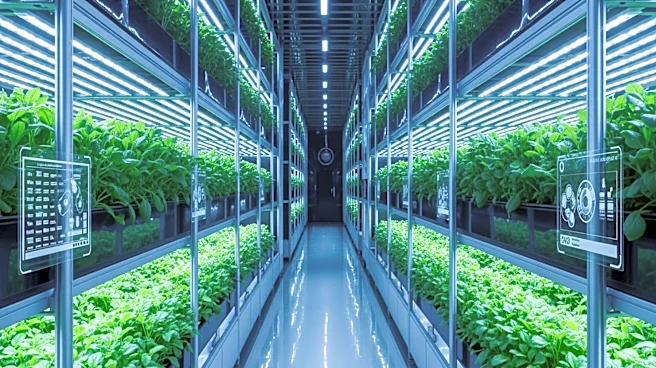
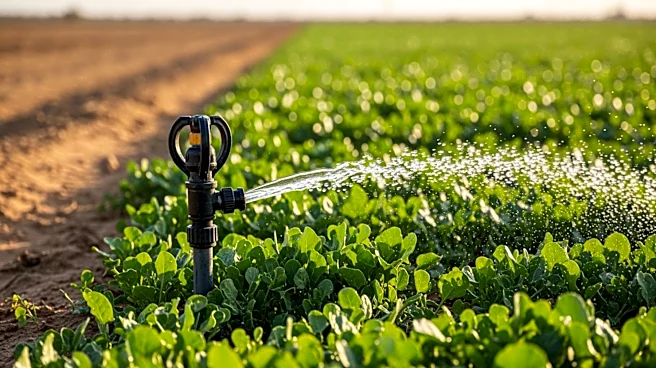
the country faces a long-term structural challenge in sustaining its agriculture. The Kingdom is promoting technologies such as hydroponics, aquaponics, vertical farming, and high-tech greenhouses to reduce water use while maintaining high productivity. These methods can significantly cut water consumption compared to traditional farming, with hydroponic systems reducing water use by up to 90%. This shift is part of Saudi Arabia's Vision 2030 goals to expand local food production amid a growing population and climate change pressures.
Why It's Important?
The adoption of smart agriculture in Saudi Arabia is crucial for ensuring food security in a region facing extreme water scarcity and climate change. By reducing water usage and increasing agricultural productivity, these technologies can help stabilize food supply and prices, benefiting both local consumers and the broader economy. The move also positions Saudi Arabia as a leader in sustainable agriculture, potentially influencing other arid regions to adopt similar practices. This shift could lead to increased investment in agricultural technology and innovation, fostering economic growth and job creation in the sector.
What's Next?
Saudi Arabia is likely to continue investing in and expanding its use of smart agricultural technologies. This could involve further development of infrastructure to support these systems and training programs to equip local farmers with the necessary skills. The government may also explore partnerships with international tech firms to enhance its capabilities. As these technologies become more widespread, there could be a ripple effect, encouraging other countries facing similar challenges to adopt sustainable agricultural practices.