




What's Happening?
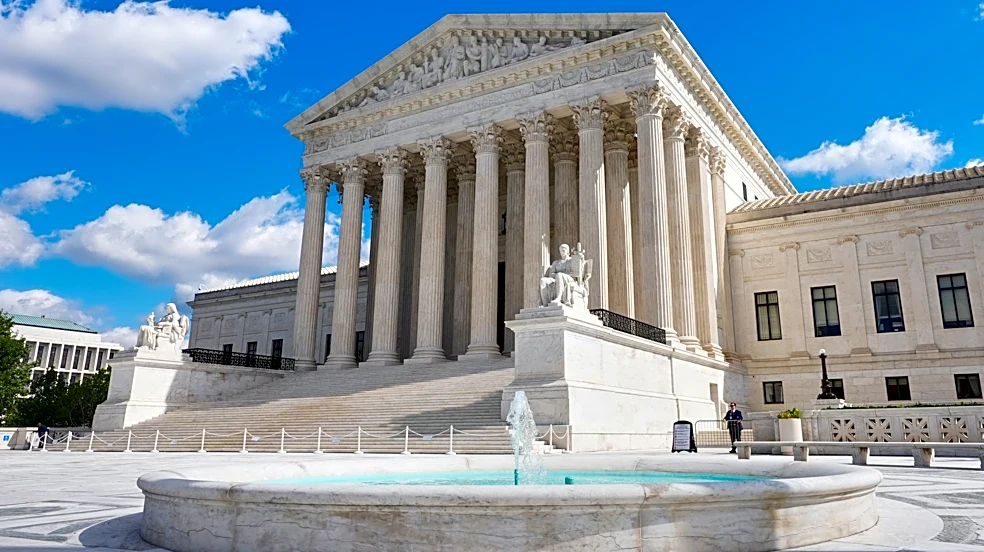
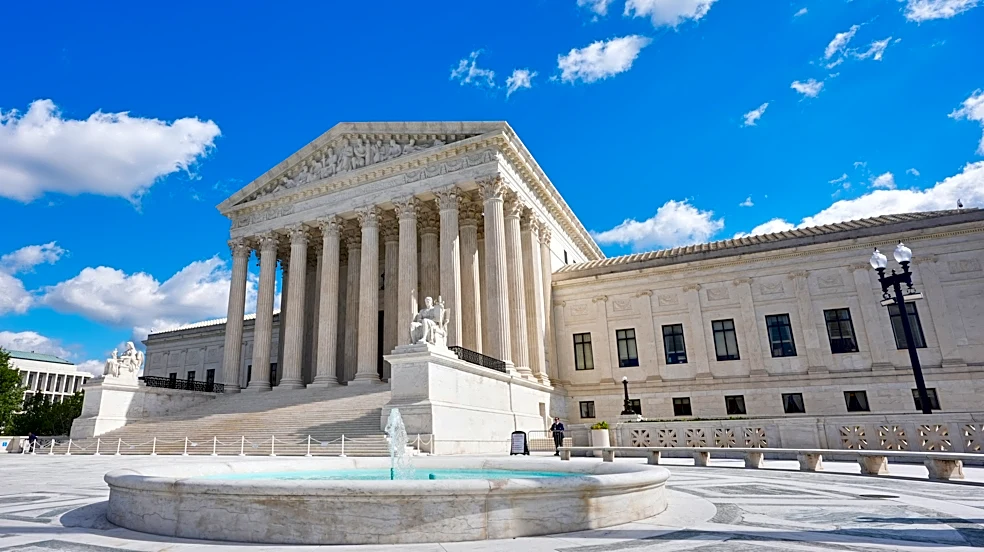
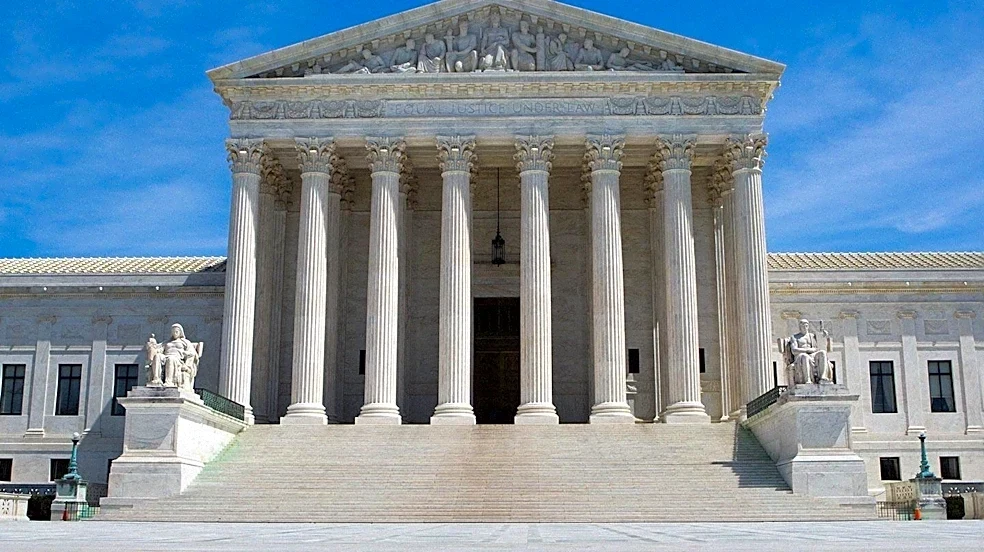
Four U.S. Supreme Court justices recused themselves from a significant music copyright dispute, leading to an inability for the Court to form a quorum and hear the appeal. Justices Sonia Sotomayor, Neil Gorsuch, Amy Coney Barrett, and Ketanji Brown Jackson
all sat out the case involving BMG Rights Management because the international record label is owned by the same German media company, Penguin Random House, that published their books. This mass recusal meant that the remaining five qualified justices could not reach the six-justice quorum required to hear the case. Consequently, the lower court's judgment, which granted Cyril Vetter sole ownership of the 1962 song 'Double Shot (Of My Baby’s Love),' was affirmed without a Supreme Court review.
Why It's Important?
This incident highlights a growing concern regarding judicial ethics and the potential for conflicts of interest arising from Supreme Court justices' lucrative book deals. The inability of the Court to hear a major copyright case due to recusals raises questions about the integrity and functionality of the judicial process. Watchdog groups like Fix the Court argue that the current disqualification standards need review, as the financial entanglements with publishing companies create a situation where important legal questions cannot be addressed by the highest court. This scenario could lead to inconsistent legal interpretations across the country if lower court rulings are affirmed by default due to a lack of quorum, undermining the Supreme Court's role as the ultimate arbiter of law.
What's Next?
The situation prompts a discussion on potential reforms to Supreme Court ethics rules. Gabe Roth, executive director of Fix the Court, suggested that justices could place their book earnings into accounts inaccessible until retirement to mitigate conflicts of interest. Without such changes, future cases involving companies with ties to publishers of justices' books could face similar quorum issues, potentially making certain entities immune from Supreme Court review or forcing the Court to create 'duty-to-sit' exceptions. The incident is likely to fuel calls for greater transparency and stricter ethical guidelines for Supreme Court justices, potentially leading to legislative proposals or internal rule changes aimed at preventing such impasses in the future.
Beyond the Headlines
Beyond the immediate legal implications, this event underscores a broader debate about the public perception of judicial impartiality. When justices recuse themselves due to financial ties, it can erode public trust in the judiciary's independence and fairness. The substantial earnings from book deals, while not illegal, contribute to a perception that justices may have financial interests that could subtly influence their decisions or participation in cases. This situation could intensify scrutiny on the financial activities of all federal judges and potentially lead to demands for more comprehensive ethics reforms across the judiciary, aiming to ensure that justice is not only done but also seen to be done, free from any appearance of conflict.