

What's Happening?
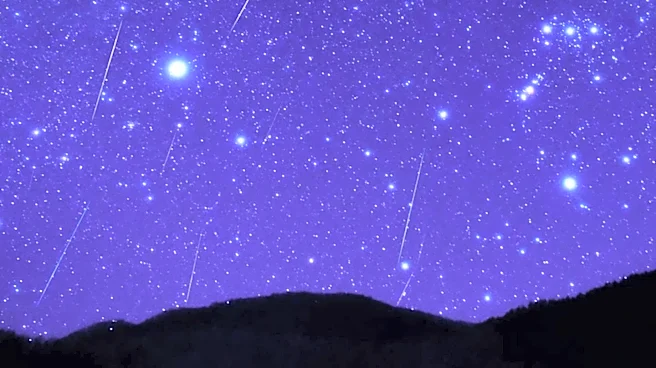
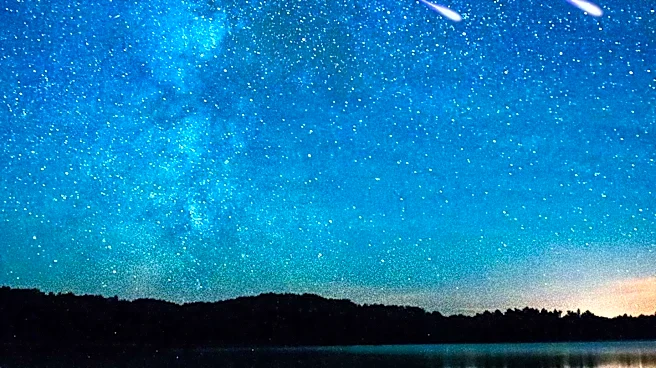
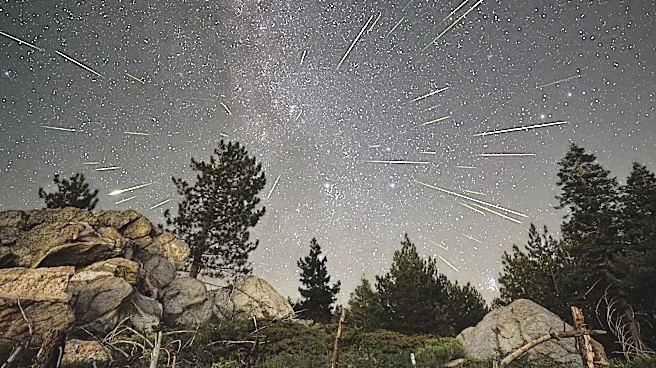
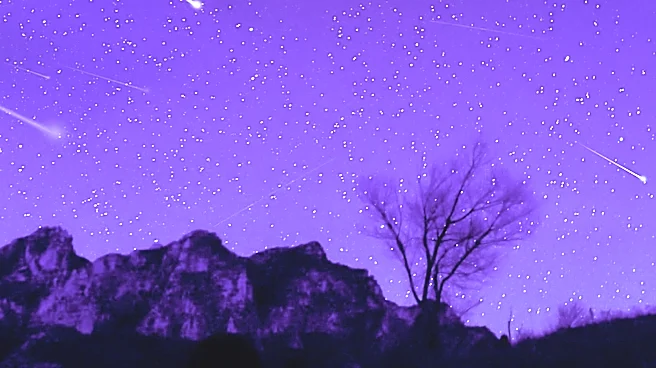
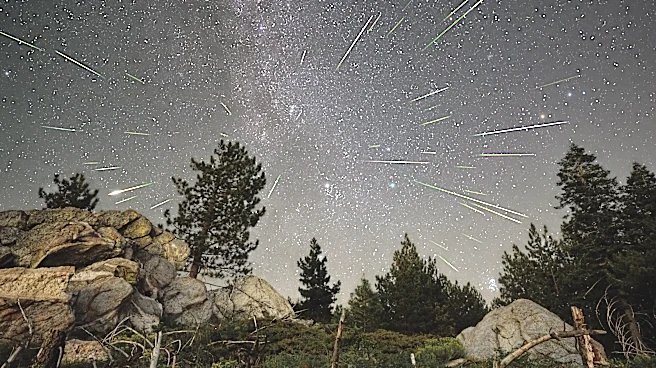
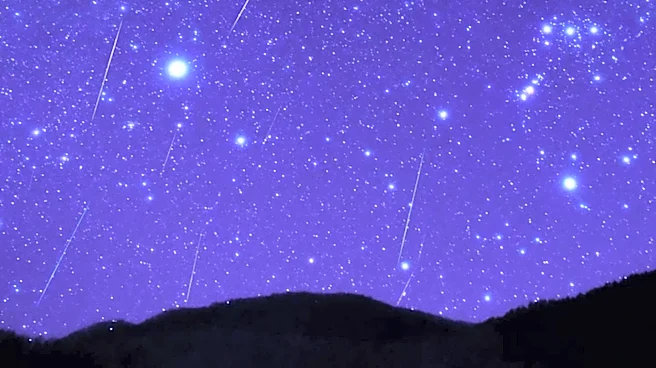
The Perseid meteor shower, an annual astronomical event caused by debris from Comet Swift-Tuttle, is set to peak on the night of August 12 into the early morning of August 13, 2026. This year, the viewing conditions are particularly favorable due to the new
moon phase, which will result in darker skies and enhance visibility. The Perseids are known for their bright fireballs and can produce up to 100 meteors per hour under ideal conditions. NASA and the European Space Agency (ESA) recommend finding a location away from city lights with an unobstructed horizon for the best viewing experience. Observers are advised to allow their eyes 20 to 30 minutes to adjust to the dark and to avoid using telescopes or binoculars, as these can limit the field of view.
Why It's Important?
The Perseid meteor shower is one of the most anticipated astronomical events of the year, attracting stargazers and astronomy enthusiasts worldwide. Its visibility in the Northern Hemisphere makes it accessible to a large audience, providing an opportunity for public engagement with science and nature. The event also highlights the importance of preserving dark skies, free from light pollution, to fully appreciate such natural phenomena. This year's optimal conditions could lead to increased public interest and participation in astronomy, potentially inspiring future generations of scientists and environmental advocates.
What's Next?
As the peak of the Perseid meteor shower approaches, public interest is expected to rise, with astronomy clubs and observatories likely organizing viewing events. Educational institutions may also use this opportunity to engage students in science-related activities. The event could prompt discussions on the impact of light pollution and the importance of dark sky preservation. Following the Perseids, other meteor showers such as the Geminids and Quadrantids will continue to offer opportunities for public engagement with astronomy.