



What's Happening?
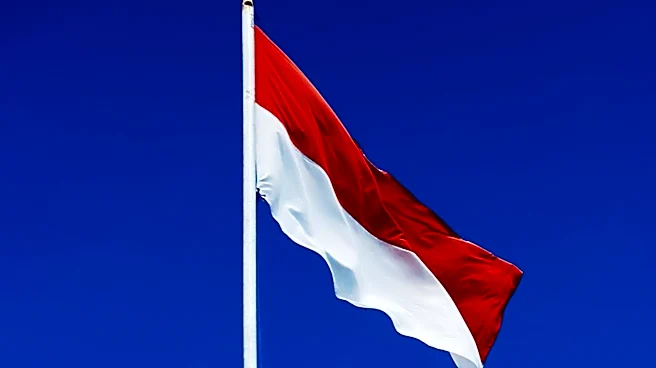
Indonesia is pursuing a strategy of diversifying its arms suppliers, moving away from a historical dependence on single sources, particularly after the 1999 U.S. arms embargo. This diversification has led to an increase in supplier countries from 12 to 26.
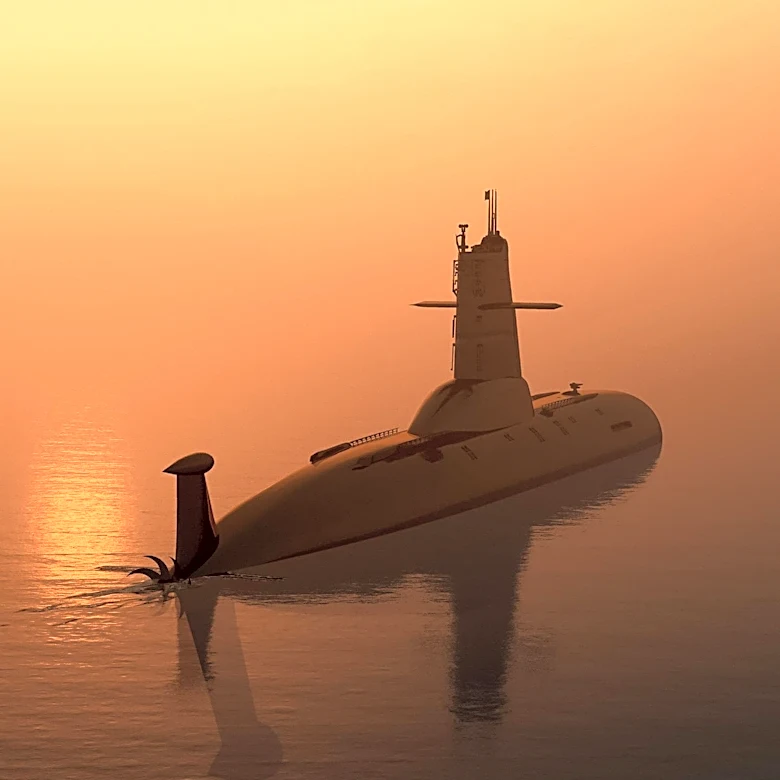
However, this approach is presenting logistical and political challenges. While Indonesia aims for autonomy in its defense procurement, maintaining diverse fleets from various countries, such as French Rafales, U.S.-built Apache helicopters, and Russian Mi-35Ms, creates complex maintenance and training requirements. The country's deepening defense cooperation with Belarus, including agreements for Sukhoi fighter jet maintenance, drones, munitions, and special forces training, further complicates this strategy. This relationship with Belarus, which is under EU sanctions, introduces potential sanctions risks and raises questions about Indonesia's 'bebas aktif' (free and active) foreign policy, especially as Jakarta seeks an economic partnership agreement with the European Union.
Why It's Important?
Indonesia's defense diversification strategy, while intended to enhance strategic autonomy, highlights the inherent complexities and trade-offs in military procurement. The logistical burden of maintaining multiple equipment families from different nations can strain resources and reduce operational efficiency. More significantly, the deepening ties with countries like Belarus, which face international sanctions, expose Indonesia to potential secondary sanctions risks from Western partners, including the U.S. This could jeopardize its broader economic and diplomatic relationships, particularly with the EU. For the U.S., Indonesia's choices in defense partners are crucial for regional stability and influence in Southeast Asia. Any shift towards non-traditional partners could impact interoperability with U.S. and allied forces and potentially undermine efforts to counter rising geopolitical challenges in the Indo-Pacific. The situation also reflects the broader global competition for influence, where major powers vie to be preferred defense suppliers.
What's Next?
Indonesia faces critical decisions regarding its defense procurement strategy. To mitigate logistical burdens, Jakarta may need to rationalize its diverse fleets or seek more comprehensive maintenance and training packages from existing suppliers. The relationship with Belarus will likely come under increased scrutiny, especially as Indonesia pursues an economic partnership agreement with the EU. Jakarta may need to publicly clarify its procurement decisions and potentially involve parliamentary commissions to ensure transparency and broader consensus, particularly for significant acquisitions like the Buk-MB2K air defense system. Western partners, including the U.S., may offer more attractive defense packages or incentives to encourage Indonesia to align its procurement with their strategic interests, thereby reducing reliance on sanctioned nations and enhancing regional interoperability.
Beyond the Headlines
The case of Indonesia's defense diversification extends beyond mere military hardware to touch upon national sovereignty, economic diplomacy, and the delicate balance of international relations. The 'bebas aktif' foreign policy, while aiming for independence, is constantly tested by geopolitical realities and the pressures of global power dynamics. The ethical dimension arises from engaging with nations that may have questionable human rights records or are under international sanctions, potentially compromising Indonesia's moral standing. Long-term, this situation could lead to a re-evaluation of how developing nations balance their security needs with their economic and political aspirations in a multipolar world. It also highlights the enduring legacy of past geopolitical events, such as the U.S. arms embargo, in shaping current defense policies and international alignments.