

What's Happening?
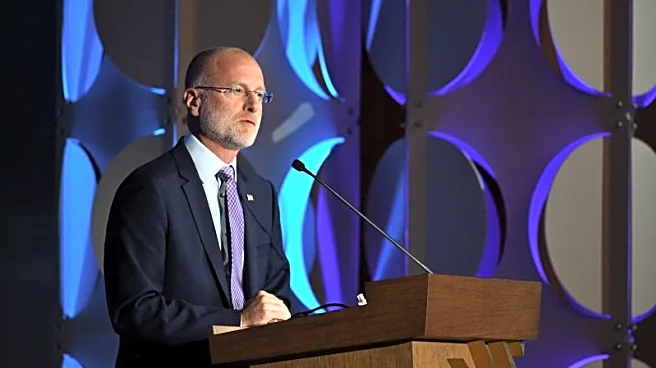
FCC Chairman Brendan Carr has threatened local broadcasters with license revocation over news coverage he deems 'fake,' particularly regarding the Iran war. Despite his warnings, legal experts argue that Carr lacks the power to enforce such threats, as the FCC has not
denied a license renewal in decades. Critics label Carr's actions as authoritarian and unconstitutional, suggesting they are attempts to pressure media companies into self-censorship. Carr's strategy aligns with President Trump's agenda to challenge media content unfavorable to his administration.
Why It's Important?
Carr's threats highlight ongoing tensions between the government and media outlets, raising concerns about press freedom and the potential for government overreach. The situation underscores the delicate balance between regulatory authority and First Amendment rights. Media companies, while aware of Carr's limited enforcement power, face pressure to align with government preferences, which could impact journalistic independence and the diversity of viewpoints available to the public.
What's Next?
The FCC's role in media regulation may come under increased scrutiny, with potential calls for legislative changes to clarify or limit its powers. Media advocacy groups are likely to continue challenging Carr's actions, emphasizing the importance of protecting press freedom. The broader implications for media companies could include strategic adjustments to avoid regulatory conflicts while maintaining editorial independence.