


What's Happening?
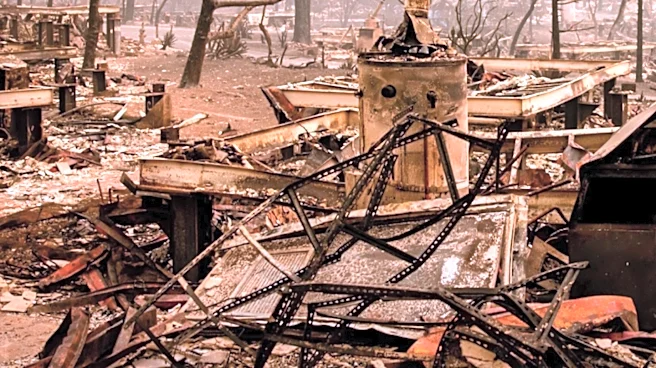
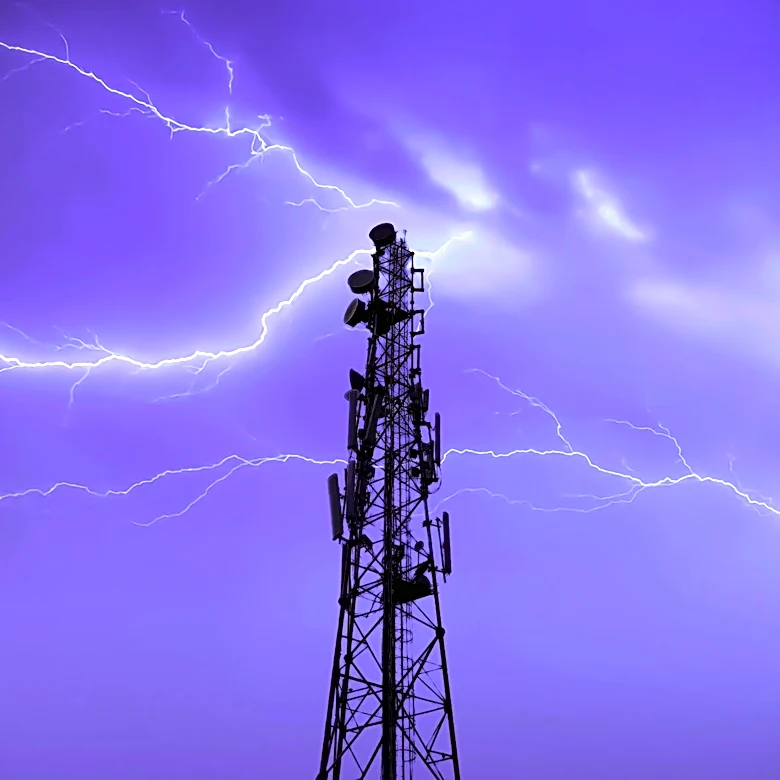
A federal review has identified leadership failures, lack of preparedness, and poor communication as primary factors contributing to the Dragon Bravo fire that destroyed a historic lodge and numerous structures at Grand Canyon National Park. The fire,
sparked by lightning in July 2025, was initially allowed to burn for days before escalating into a major conflagration. The review, made public recently, noted that while drought conditions and extreme fire behavior played a role, systemic weaknesses within the National Park Service regarding authority and qualifications hindered critical decision-making. The report highlighted that many challenges observed during the fire were foreseeable and preventable, indicating broader institutional issues. Arizona Governor Katie Hobbs' office expressed that people deserve answers regarding the fire's management, with spokesperson Christian Slater stating the governor looks forward to working with the administration to prevent future tragedies.
Why It's Important?
This federal review is significant as it exposes critical deficiencies in wildfire management within a major U.S. national park, impacting both historical preservation and public safety. The destruction of the Grand Canyon Lodge and other infrastructure represents a substantial loss of cultural heritage and economic assets, with suppression costs exceeding $141 million. The findings suggest that the incident was not merely an act of nature but a consequence of organizational shortcomings, raising concerns about the preparedness of federal agencies to manage complex environmental challenges. The call from Governor Hobbs' office for accountability and preventative measures underscores the public and political demand for improved fire management strategies, especially in areas prone to wildfires and those with significant historical and natural value. This event could lead to a reevaluation of policies and practices across the U.S. Interior Department's Wildland Fire Service.
What's Next?
The U.S. Interior Department's Wildland Fire Service has acknowledged the need for a unified and aggressive approach to fighting wildfires and aims to apply lessons learned from the Dragon Bravo fire. The review's recommendations include requiring agency administrators to undergo training for complex incidents and ensuring clear communication channels for accurate and timely information. There is an emphasis on regularly reevaluating fire strategies, considering changing conditions, and ensuring resource availability. Governor Hobbs' office is expected to collaborate with the administration to implement these improvements. This incident is likely to serve as a case study for the Interior Department and the Wildland Fire Service, potentially leading to significant reforms in wildfire management protocols and preparedness across national parks and federal lands to prevent similar high-consequence events in the future.
Beyond the Headlines
The Dragon Bravo fire review highlights a deeper tension between conservation strategies, such as allowing natural fires to burn, and the imperative to protect human infrastructure and historical sites. The 'confine and contain' strategy, which was criticized in the review, reflects a complex ecological debate about managing natural processes in increasingly human-impacted landscapes. This incident also brings to light the ethical responsibilities of government agencies in balancing environmental management with public safety and resource protection. The breakdown in communication and decision-making points to potential bureaucratic inertia or a lack of adaptive management in the face of rapidly evolving environmental conditions. The long-term implications could include a shift towards more proactive and aggressive fire suppression tactics in sensitive areas, increased investment in fire-resistant infrastructure, and a re-evaluation of how climate change impacts are integrated into federal land management policies.