



What's Happening?
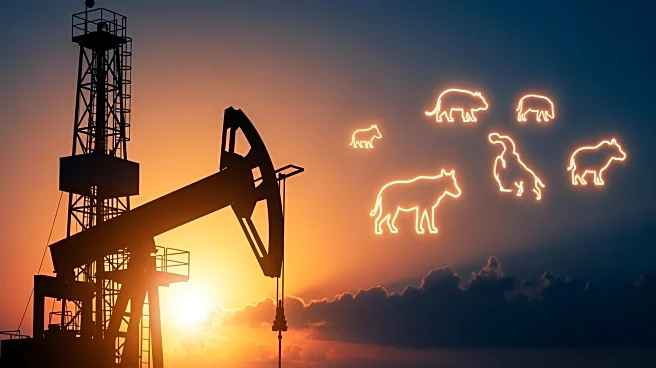
The Trump administration has granted an exemption for oil and gas drilling in the Gulf of Mexico from the Endangered Species Act, citing national security concerns. This decision was made by the Endangered Species Committee, also known as the 'God Squad,'
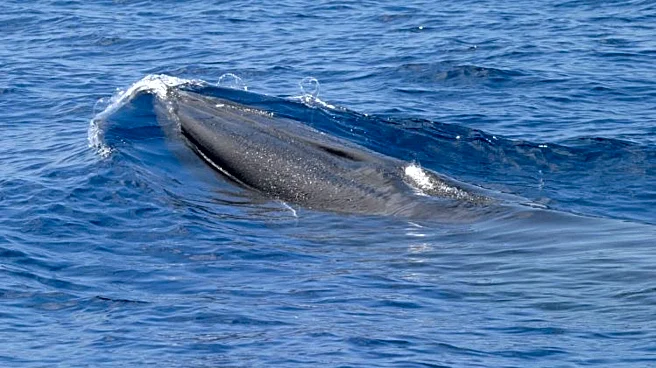
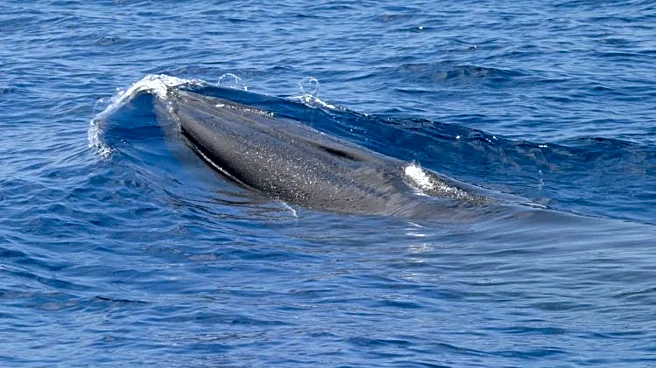
which convened for the first time in over three decades. The committee, chaired by Interior Secretary Doug Burgum, includes several Trump administration officials. The exemption was requested by Defense Secretary Pete Hegseth, who argued that environmental lawsuits against the oil industry could threaten domestic energy supplies during the ongoing conflict with Iran. Critics, however, warn that this move could endanger marine life, including the rare Rice's whale, which is found exclusively in the Gulf of Mexico.
Why It's Important?
The exemption is significant as it marks the first time national security has been used to justify such a decision by the Endangered Species Committee. The Gulf of Mexico is a crucial region for U.S. oil production, contributing significantly to the nation's energy supply. The decision could streamline approvals for new drilling projects, potentially boosting domestic oil production. However, it also raises concerns about the environmental impact, particularly on endangered species like the Rice's whale. Environmental groups have expressed strong opposition, arguing that the exemption could accelerate the extinction of this rare species and harm other marine life.
What's Next?
Environmental groups have pledged to challenge the exemption legally, arguing that it was granted unlawfully. The decision could lead to increased legal battles over the balance between energy production and environmental protection. The Trump administration's focus on expanding fossil fuel production may face further scrutiny and opposition from conservationists and environmentalists. The outcome of these legal challenges could have long-term implications for U.S. energy policy and environmental regulations.