
What's Happening?
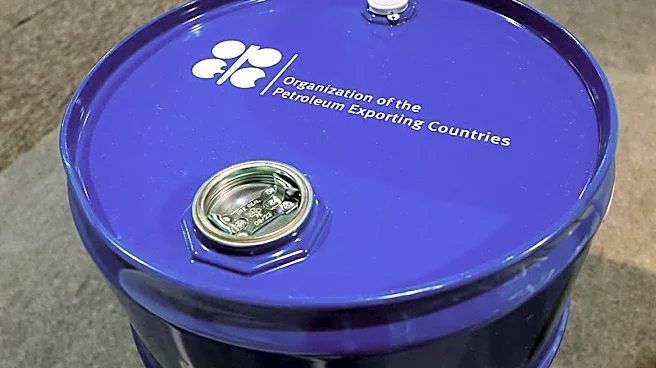
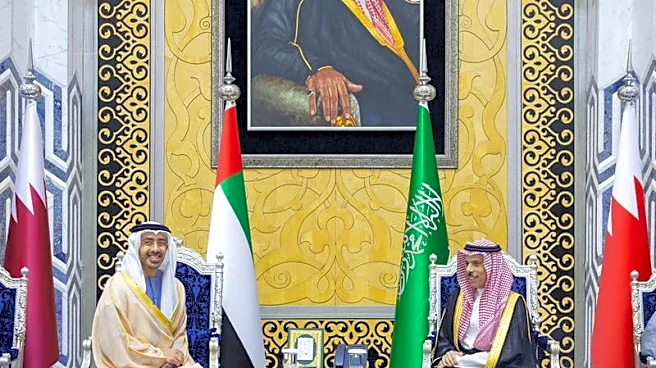
The United Arab Emirates (UAE) has declared its intention to exit the Organization of the Petroleum Exporting Countries (OPEC) and the broader OPEC+ group effective May 1, 2026. This decision comes amid
growing tensions with Saudi Arabia over production quotas and regional political dynamics. The UAE, a significant oil producer, has been part of OPEC since 1967 through Abu Dhabi and later as a nation. The move is seen as a strategic shift to allow the UAE to increase its oil production independently, aligning with its long-term economic vision. The UAE's departure follows similar actions by Qatar in 2019 and reflects a broader trend of loosening ties within OPEC.
Why It's Important?
The UAE's exit from OPEC could weaken the cartel's influence over global oil prices and supply. As the third-largest producer in OPEC, the UAE's decision to increase production could impact global oil markets, especially given current constraints due to geopolitical tensions in the Middle East. This move may also signal a shift in regional alliances and economic strategies, as the UAE seeks to enhance its energy production capacity and economic independence. The decision underscores the growing competition between the UAE and Saudi Arabia, particularly in attracting foreign investments and asserting regional influence.
What's Next?
Following its departure, the UAE plans to gradually increase its oil production in response to market demand. This could lead to shifts in global oil supply dynamics, potentially affecting prices and market stability. The UAE's decision may prompt other OPEC members to reconsider their positions within the cartel, especially those with similar aspirations for increased production. Additionally, the geopolitical landscape in the Middle East may experience further realignments as countries navigate the implications of the UAE's strategic pivot.