








What's Happening?
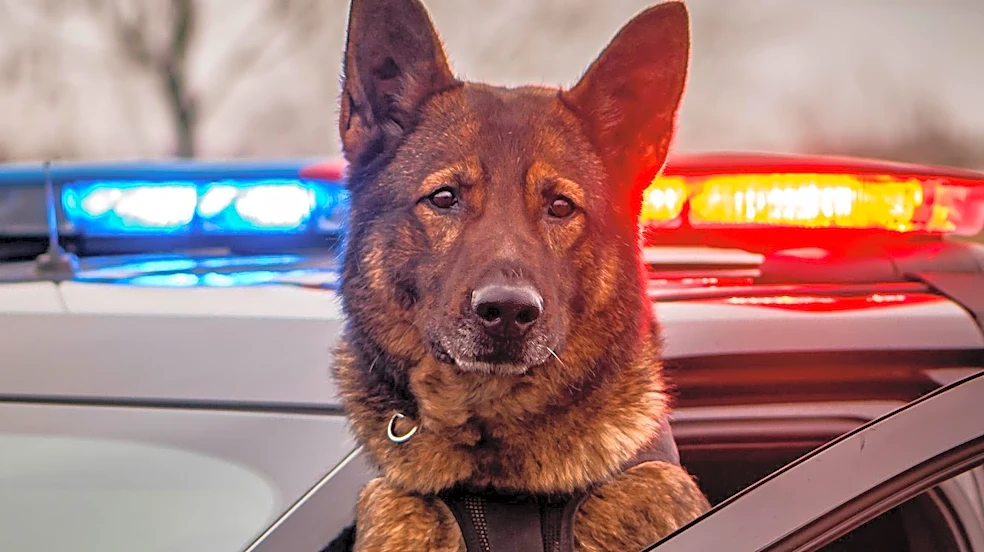
Cybersecurity students at the University of Arkansas at Little Rock (UALR) received a unique lesson in investigative work from Lucy, a specially trained Labrador from the Arkansas State Police. Special agents Amber Kalmer and Danny Harris presented Lucy to
the UALR cybersecurity club, demonstrating her ability to detect electronic devices. Lucy, who has served with state police for eight years, is one of approximately 290 electronic detection storage K-9s nationwide. Agent Kalmer explained that these dogs can identify a specific scent embedded in electronics, which is nearly impossible to mask, even under several feet of water. Lucy is particularly adept at locating microchips and micro SD cards, which are often used to hide illicit content, especially in cases involving the Internet Crimes Against Children task force. Beyond her detection skills, Lucy also serves as a companion dog for victims during forensic interviews, helping them feel more comfortable and open up.
Why It's Important?
This demonstration highlights the evolving landscape of digital forensics and the innovative methods law enforcement agencies are employing to combat cybercrime. The use of K-9 units like Lucy provides a critical advantage in investigations, allowing officers to locate hidden electronic evidence that human investigators might miss. This is particularly important in cases involving child sexual assault material, where perpetrators often go to great lengths to conceal devices. For UALR cybersecurity students, this hands-on exposure to real-world investigative techniques offers invaluable insight into the practical applications of their studies. It underscores the interdisciplinary nature of cybersecurity, combining technological expertise with traditional law enforcement tools. The role of companion dogs in victim support also emphasizes the human element in law enforcement, demonstrating how animals can facilitate sensitive interactions and aid in the healing process for victims.
What's Next?
The field of digital forensics is continuously changing, as noted by Agent Kalmer, requiring constant adaptation and the integration of new resources. Law enforcement agencies will likely continue to invest in and develop specialized K-9 units for electronic detection, given their proven effectiveness. For UALR and other educational institutions, such collaborations with law enforcement can enrich academic programs, providing students with practical experience and fostering a deeper understanding of the challenges and innovations in cybersecurity. As technology advances, the methods for concealing digital evidence will also evolve, necessitating ongoing research and training for both human and K-9 investigators. The success of programs like Lucy's may also inspire other states to adopt similar K-9 programs to enhance their digital forensics capabilities.
Beyond the Headlines
The deployment of electronic detection K-9s like Lucy raises interesting questions about the intersection of technology, animal capabilities, and legal frameworks. The ability of these dogs to detect a specific chemical scent in electronics, regardless of concealment, presents a powerful tool that could potentially bypass traditional search methods. This could lead to discussions about the admissibility of K-9-led evidence in court and the ethical implications of using animals in such sensitive investigations. Furthermore, Lucy's dual role as an evidence dog and a companion animal highlights the multifaceted contributions animals can make to human society, extending beyond traditional service roles. This innovative approach to law enforcement not only enhances investigative efficiency but also addresses the emotional and psychological needs of victims, showcasing a holistic approach to justice.