



What's Happening?
California Attorney General Rob Bonta has addressed the state's position on prediction markets, which have become a contentious issue across the United States. While states like Nevada and Arizona have taken legal action against companies like Kalshi,
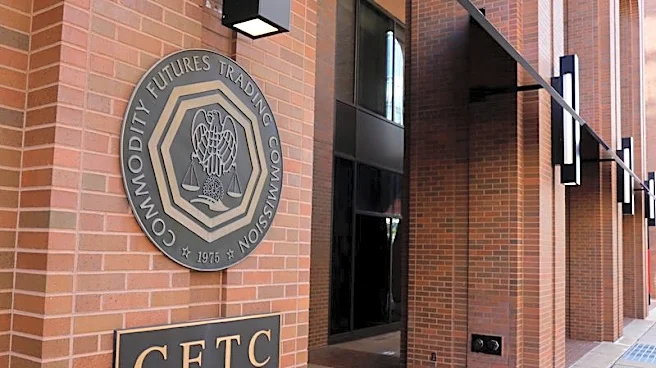
California has not yet pursued similar lawsuits. Bonta emphasized the state's commitment to maintaining its sovereignty and expressed disagreement with the notion that federal oversight by the US Commodity Futures Trading Commission precludes state regulation of prediction markets. Despite not having initiated legal proceedings, Bonta indicated that the situation could change, as the state continues to evaluate the risks and resources involved. He also mentioned ongoing conversations with Evan Corder, a former chief of staff now lobbying for Kalshi, highlighting the complexity of the issue.
Why It's Important?
The stance of California, one of the largest states in the U.S., on prediction markets is significant due to its potential influence on national regulatory trends. The decision not to sue companies like Kalshi could impact the legal landscape for prediction markets, which are currently navigating a patchwork of state regulations. This issue is particularly relevant to the gambling industry, as California's legal gambling is primarily limited to Native American casinos. The state's approach could affect the balance of power between state and federal oversight, as well as the interests of tribal gaming entities, which have historically been major political contributors. The outcome of this regulatory debate could set precedents for how emerging markets are governed in the U.S.
What's Next?
While California has not yet taken legal action against prediction markets, the situation remains fluid. Attorney General Bonta's comments suggest that the state is closely monitoring developments and may adjust its approach based on ongoing legal interpretations and market dynamics. The involvement of tribal gaming interests, which have expressed concerns over the expansion of prediction markets, could also influence future regulatory decisions. As courts continue to define the limits of prediction markets, California's eventual stance could have significant implications for the industry and other states considering similar regulatory challenges.