



What's Happening?
Yorkshire Water has lifted a hosepipe ban affecting over five million people following a notably wet November. The ban was initially imposed in July after the region experienced its driest spring in 132 years, with only 15cm of rain falling between February
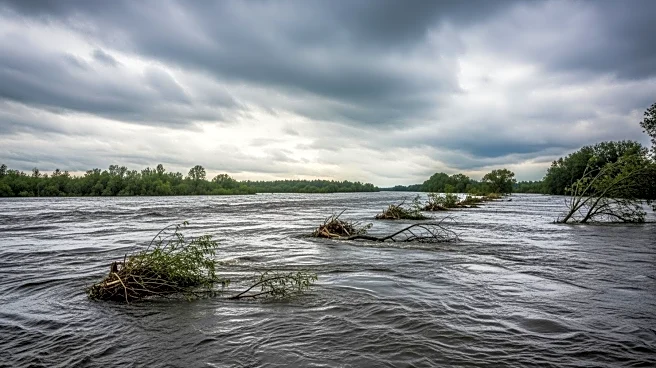
and June. This was less than half the expected average. The summer was also recorded as the hottest on record. However, the Met Office reported that northern England experienced its fifth wettest November since 1836, with rainfall 84% above average in the northeast. This significant rainfall has allowed reservoirs and groundwater sources to recharge, ending the drought status in Yorkshire.
Why It's Important?
The lifting of the hosepipe ban is significant as it highlights the impact of climate variability on water resources. The initial drought conditions and subsequent heavy rainfall underscore the challenges in managing water supply in the face of changing weather patterns. The situation in Yorkshire serves as a reminder of the need for robust water management strategies to ensure sustainability. The region's ability to recover from such low water levels without resorting to more drastic measures like rotational cuts or standpipes is a testament to effective water conservation efforts by the public and the utility company.
What's Next?
Yorkshire Water is considering long-term strategies to enhance water supply resilience, including the potential construction of a new reservoir. This would address future shortages and help manage similar situations more effectively. Additionally, there is a renewed focus on reducing leaks within the water network, with significant investments already made in infrastructure improvements. These steps are crucial in preparing for potential future droughts and ensuring a stable water supply for the region.