

What's Happening?
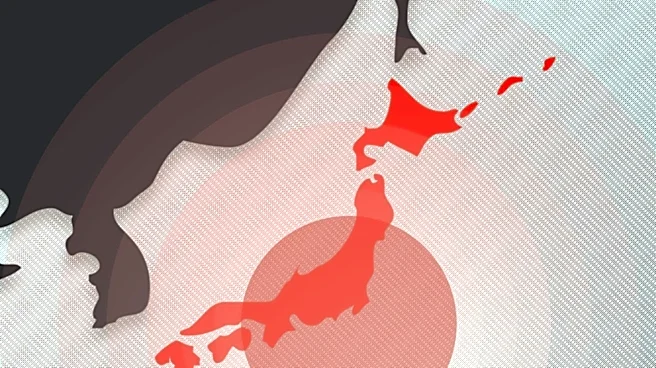
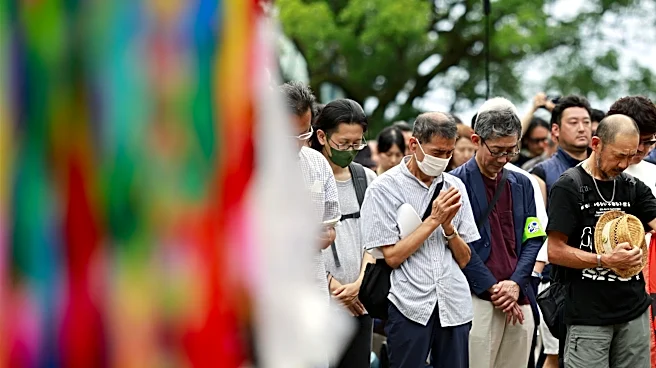
Prime Minister Sanae Takaichi of Japan has decided to cancel her planned foreign trips this summer to prioritize the response to a recent powerful earthquake in Kumamoto Prefecture. The decision comes after the earthquake struck shortly after a special
session of parliament concluded, which had been extended due to a Lower House election. Takaichi, who assumed office last October, is focusing on disaster relief efforts and has instructed her staff to advance necessary measures. Additionally, her administration is planning a tax reform package aimed at reducing the consumption tax rate on food. Takaichi is also considering a Cabinet reshuffle and changes in the leadership of her ruling Liberal Democratic Party in September.
Why It's Important?
The decision by Prime Minister Takaichi to remain in Japan underscores the government's commitment to addressing domestic crises and ensuring effective disaster management. The Kumamoto earthquake has highlighted the need for robust emergency response strategies, which are crucial for maintaining public trust and safety. Takaichi's focus on tax reform and potential political reshuffles indicates a strategic approach to governance, aiming to stabilize her administration and address economic challenges. These actions could have significant implications for Japan's political landscape and economic policies, potentially affecting international relations and domestic public opinion.
What's Next?
As Prime Minister Takaichi continues to focus on earthquake relief efforts, the Japanese government is expected to implement the proposed tax reforms and possibly announce a Cabinet reshuffle. These developments will be closely watched by political analysts and the public, as they could influence the administration's stability and effectiveness. The international community may also monitor Japan's domestic policies, especially in light of Takaichi's decision to forgo foreign trips, which could impact diplomatic relations and Japan's role in global affairs.