


What's Happening?
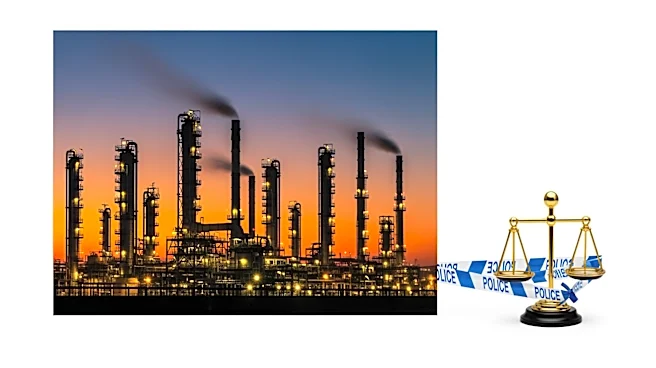
Yoel Zilberman, founder and CEO of HaShomer HaChadash, highlights the vulnerabilities in global food systems exacerbated by geopolitical tensions and reliance on oil-based agricultural inputs. He notes that farmers in the United States are uncertain about
planting crops like corn and wheat due to potential shortages in essential inputs such as pesticides and fertilizers, which are heavily dependent on oil. This situation is part of a broader global dynamic where countries prioritize their own food security in times of crisis. Zilberman draws parallels to Israel's past water crisis, where innovation led to the development of desalination plants, ensuring water security even during droughts. He suggests that similar strategies could be applied to achieve food resilience, emphasizing the importance of self-sufficiency as a form of national security.
Why It's Important?
The uncertainty faced by U.S. farmers regarding agricultural inputs underscores the fragility of global food systems and the potential for widespread food insecurity. As countries prioritize their own needs, international cooperation may be strained, affecting global food supply chains. The reliance on oil for agricultural inputs highlights the vulnerability of food production to geopolitical tensions and environmental changes. This situation could lead to increased food prices and shortages, impacting consumers and economies worldwide. The emphasis on self-sufficiency and innovation, as demonstrated by Israel's approach to water security, suggests a potential path forward for other nations facing similar challenges.
What's Next?
Countries may need to explore alternative agricultural practices and technologies to reduce dependence on oil-based inputs and enhance food security. This could involve investing in sustainable farming methods, developing new technologies, and fostering international collaboration to address global food challenges. Policymakers and industry leaders may need to reassess supply chain strategies and prioritize resilience in agricultural systems. The potential for innovation in agriculture, similar to Israel's desalination efforts, could lead to new solutions for food security, influencing policy decisions and economic strategies.
Beyond the Headlines
The focus on food security and self-sufficiency raises ethical and strategic questions about national priorities and global cooperation. As countries seek to protect their own interests, the balance between self-reliance and international collaboration becomes crucial. The potential for technological advancements in agriculture, such as AI-driven tools, could reshape food production and distribution, offering new opportunities for addressing food insecurity. Additionally, the geopolitical implications of food security may influence diplomatic relations and regional stability, as countries navigate the complexities of resource management and cooperation.