





What's Happening?
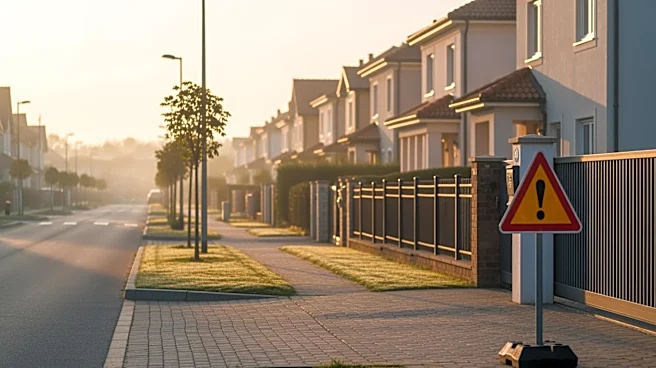
California is housing its most violent juvenile offenders in 'less restrictive programs' (LRPs), which are non-secure facilities operating with minimal oversight. These programs can be located in residential neighborhoods near schools and parks without
requiring background checks for operators. The Office of Youth and Community Restoration (OYCR) oversees the transition from state-run youth facilities to these county-managed programs. However, there is no statewide list of LRPs, and the responsibility for registration and vetting falls to city and county levels. This lack of regulation has led to concerns about the safety and effectiveness of these programs, as juveniles convicted of serious crimes are sometimes placed in homes run by individuals with little rehabilitation training.
Why It's Important?
The use of unregulated LRPs for housing violent juvenile offenders poses significant safety risks to communities and questions the effectiveness of rehabilitation efforts. Without proper oversight, these programs may fail to provide the necessary support and structure for successful reintegration into society. The absence of licensing and background checks for operators raises concerns about the potential for abuse and mismanagement. Additionally, the financial implications are substantial, with counties spending millions on these programs without clear evidence of their success. This situation highlights the need for stricter regulations and oversight to ensure the safety of both the juveniles and the communities in which they are placed.
What's Next?
California Democratic State Senator Bob Archuleta has introduced Senate Bill 1157, which aims to establish a framework of regulations for LRPs, including background checks and a central database to improve oversight. The bill has passed the Senate floor and is now headed to the Assembly. If enacted, this legislation could provide the necessary guardrails to ensure that LRPs operate safely and effectively. The outcome of this legislative effort will be crucial in determining the future of juvenile rehabilitation programs in California and could serve as a model for other states facing similar challenges.