
What's Happening?
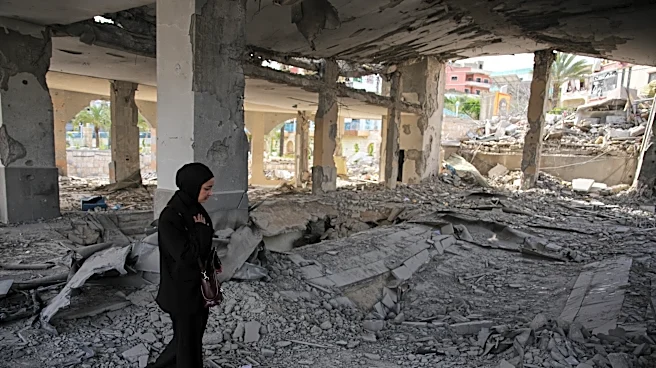
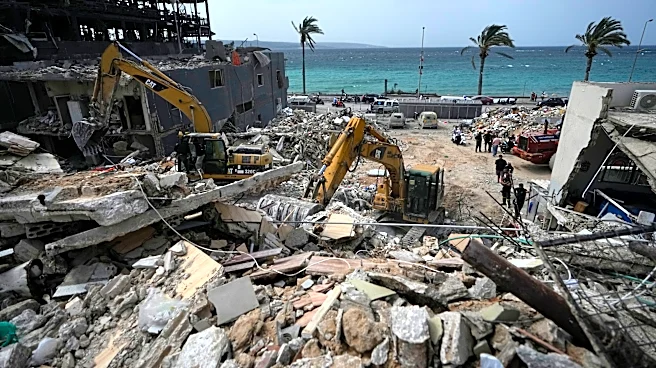
The ongoing conflict between the United States, Israel, and Iran has reached nearly two months, resulting in significant casualties and disruptions to global energy supplies. Central to this conflict is the Strait
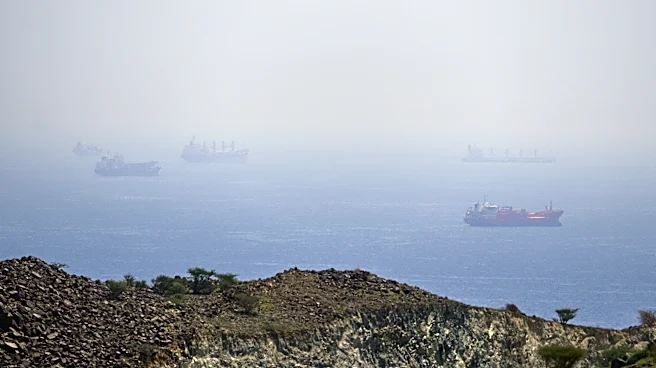
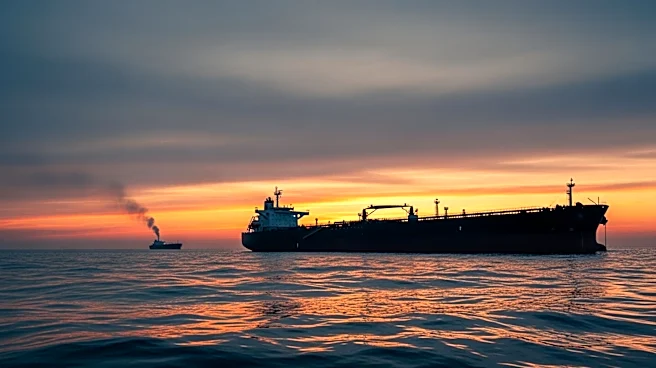
of Hormuz, a critical maritime route where approximately 20% of the world's oil supply passes. The strait has faced repeated threats of closure, affecting oil flow and escalating tensions. The conflict has also seen the use of various military technologies, including Iran's Shahed drones and the US's Tomahawk missiles. The war has led to significant geopolitical shifts, with strategic locations like Kharg Island and the Bab al-Mandeb Strait becoming focal points of military operations.
Why It's Important?
The conflict's impact on the Strait of Hormuz is particularly significant due to its role as a vital chokepoint for global oil transportation. Any prolonged disruption could lead to increased oil prices and economic instability worldwide. The use of advanced military technology, such as drones and cruise missiles, highlights the evolving nature of modern warfare and its potential to cause widespread destruction. The geopolitical ramifications extend beyond the immediate region, affecting international relations and economic policies. Countries reliant on oil imports from the Gulf region may face economic challenges, while global markets could experience volatility.
What's Next?
As the conflict continues, international diplomatic efforts may intensify to prevent further escalation and restore stability in the region. The potential for increased military engagement remains high, with both sides likely to continue strategic operations. The international community, including major oil-importing nations, may seek to mediate or impose sanctions to pressure the involved parties towards a resolution. Monitoring the situation in the Strait of Hormuz and other strategic locations will be crucial for assessing the conflict's future trajectory and its impact on global energy markets.
Beyond the Headlines
The conflict underscores the complex interplay between regional power dynamics and global economic interests. It raises ethical questions about the use of military force and its humanitarian consequences, particularly in densely populated areas. The situation also highlights the vulnerability of global supply chains to geopolitical tensions, prompting discussions on energy diversification and security. Long-term, the conflict could influence international policies on energy independence and military alliances, reshaping the geopolitical landscape.