

What's Happening?
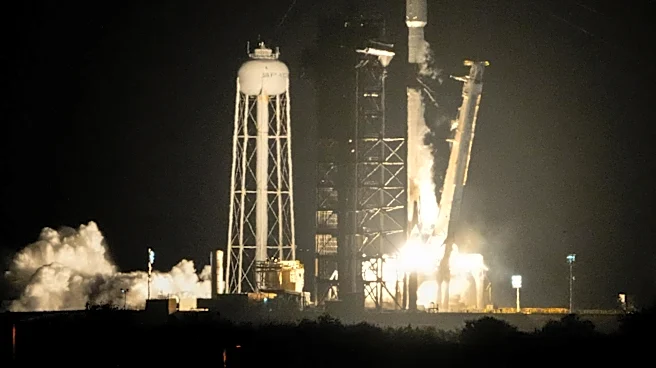
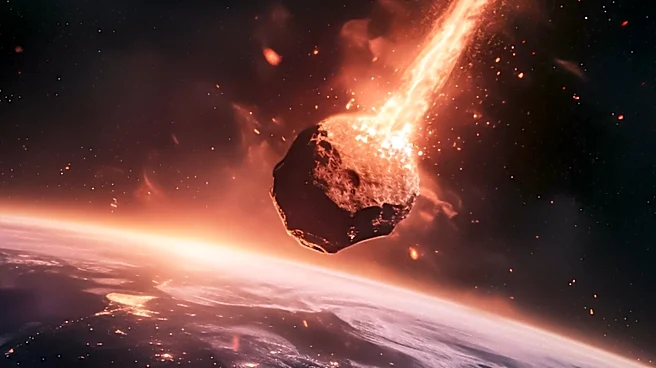
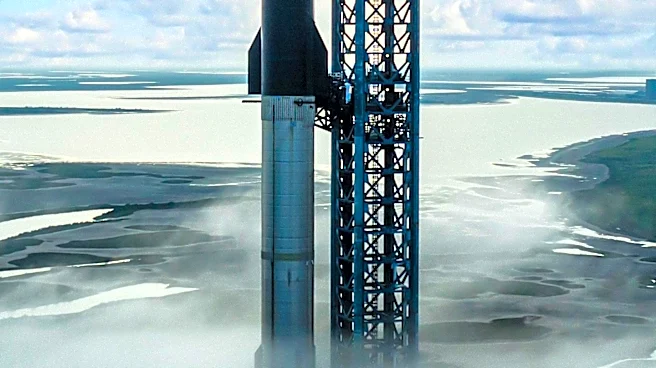
A part of a SpaceX rocket is believed to have crashed into the moon, according to recent observations by a Chilean telescope. This incident highlights the growing concerns over space debris and its potential impacts on lunar and other celestial bodies.
The crash is thought to have created a cloud of dust, which was detected by the telescope. This event underscores the challenges faced by space agencies and private companies in managing the increasing amount of debris in space, which can pose risks to both current and future space missions.
Why It's Important?
The potential crash of a SpaceX rocket part into the moon raises significant concerns about space debris management. As private companies like SpaceX continue to launch more missions, the accumulation of debris in space becomes a pressing issue. This incident could prompt regulatory bodies to enforce stricter guidelines on space debris management to prevent future collisions. The implications are vast, affecting not only the safety of space missions but also the sustainability of space exploration. Stakeholders in the space industry, including NASA and international space agencies, may need to collaborate on developing comprehensive strategies to mitigate these risks.
What's Next?
In response to this incident, there may be increased pressure on space agencies and private companies to enhance their debris tracking and mitigation strategies. Regulatory bodies could introduce new policies to ensure that space missions are conducted responsibly, minimizing the risk of debris collisions. Additionally, this event might accelerate discussions on international cooperation for space debris management, as the issue transcends national boundaries and requires a coordinated global effort.