

What's Happening?
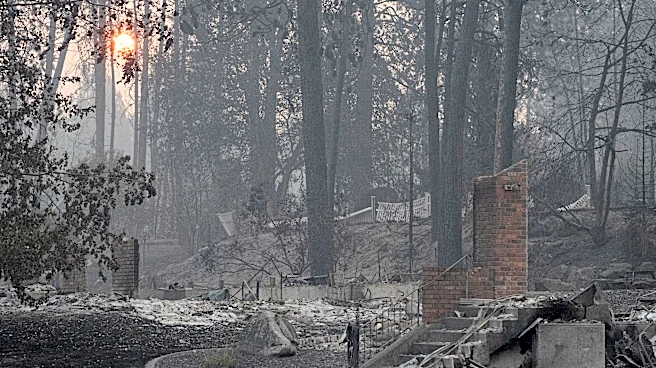
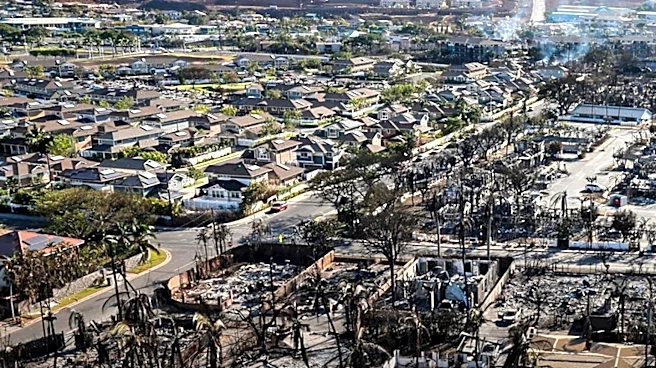
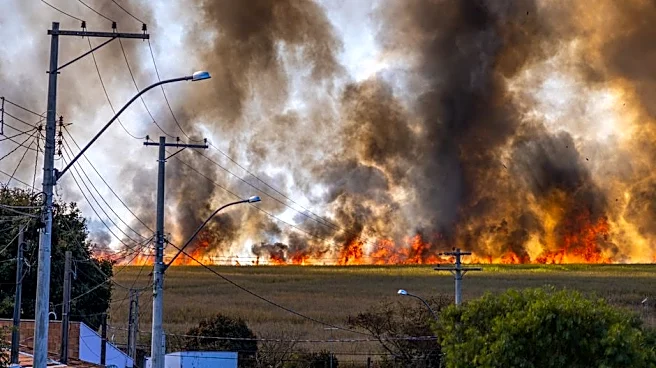
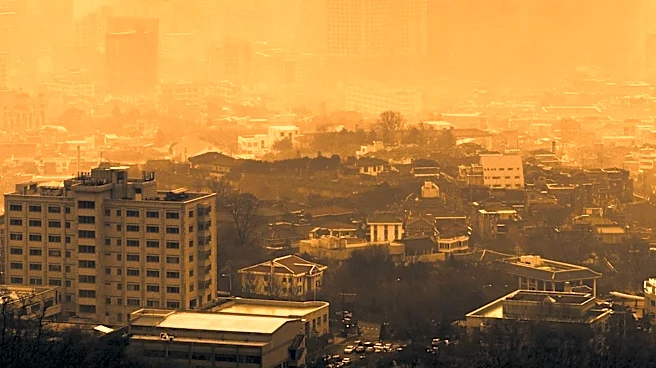
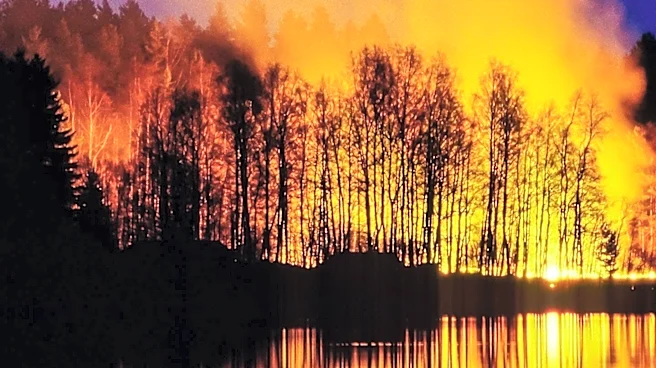
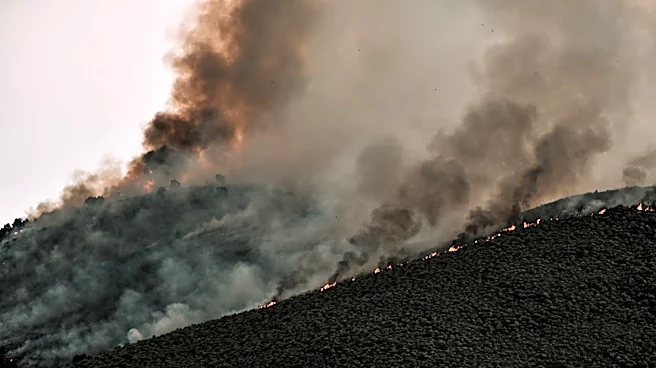
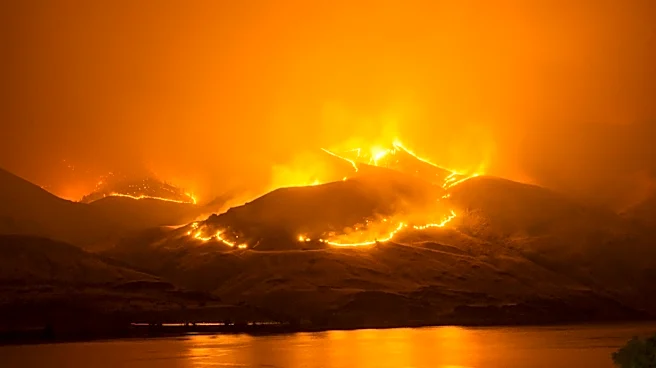
Oregon is experiencing a significant increase in wildfire smoke, affecting air quality across the state. According to the Oregon Department of Environmental Quality, nearly every region has seen a rise in the number of smoky days over the past decade.
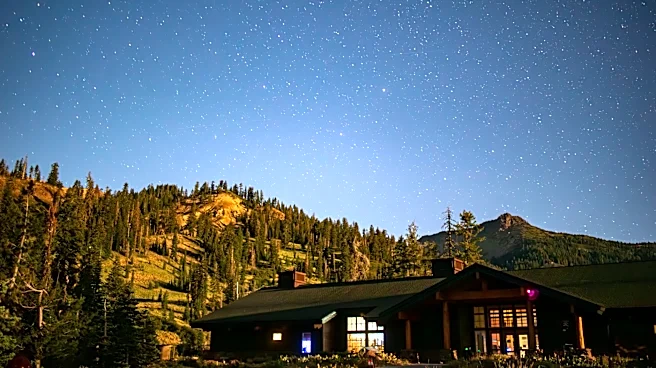
This trend is attributed to climate change, with less rainfall and hotter summers leading to more frequent and widespread fires. Cities like Bend and Portland have reported a substantial increase in days with unhealthy air quality. For instance, Bend experienced 97 days of unhealthy air in the last decade, compared to just 10 days from 2000 to 2015. The smoke has forced closures of outdoor activities, such as Camp Namanu, a summer camp near Mount Hood, which ended its session early due to hazardous air conditions. The Oregon Health Authority has noted an increase in smoke-related hospital visits, highlighting the health risks posed by the smoke.
Why It's Important?
The persistent wildfire smoke in Oregon underscores the broader impacts of climate change on public health and daily life. The increase in smoky days poses significant health risks, particularly for vulnerable populations such as children and the elderly. The economic implications are also notable, as businesses and recreational activities face disruptions. The situation highlights the urgent need for climate adaptation strategies and improved air quality management. The health sector is under pressure to address the rising number of smoke-related health issues, while communities must adapt to a new normal of frequent smoke exposure. This development also raises questions about long-term environmental policies and the need for sustainable practices to mitigate climate change effects.
What's Next?
Meteorologists predict a temporary reprieve for Portland, with a wind shift expected to clear some of the smoke. However, eastern Oregon may continue to experience smoky conditions through the weekend. The ongoing situation calls for increased preparedness and adaptation measures, including public health advisories and community support systems. Policymakers may need to consider more aggressive climate action plans to address the root causes of increased wildfires. The state may also explore technological solutions for better air quality monitoring and forecasting to help residents and businesses plan accordingly.