




What's Happening?
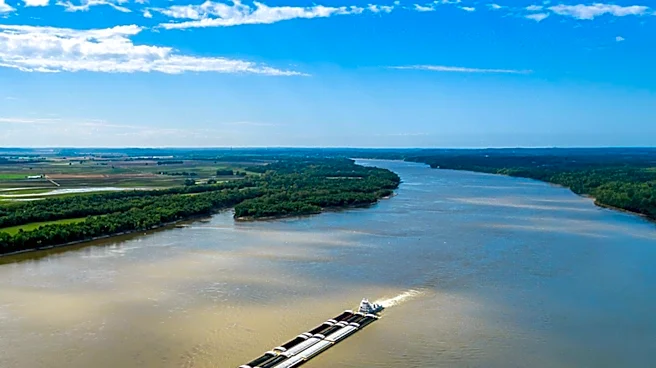
In 1987, a barge carrying 3,186 tons of New York garbage became a symbol of waste management challenges when it was rejected by multiple states and countries. The barge, known as Mobro 4000, was intended to transport waste to a landfill in North Carolina
for methane gas extraction. However, due to rumors of medical waste contamination, it was turned away by several ports, including those in Mexico and the Bahamas. The incident drew significant media attention and highlighted the growing issue of waste disposal in the United States.
Why It's Important?
The garbage barge incident underscored the complexities of waste management and the need for effective recycling and disposal solutions. It brought national attention to the volume of waste produced and the limitations of existing disposal methods. The event is credited with raising awareness about recycling, as it prompted discussions on sustainable waste management practices. The incident also highlighted the importance of regulatory oversight and the need for clear waste management policies to prevent similar occurrences in the future.
Beyond the Headlines
The barge incident had lasting impacts on waste management practices in the U.S. It contributed to the growth of recycling programs and increased public awareness of environmental issues. The event also sparked discussions on the economic and environmental costs of waste disposal, leading to innovations in waste-to-energy technologies. Additionally, it highlighted the role of media in shaping public perception and policy responses to environmental challenges.