







What's Happening?
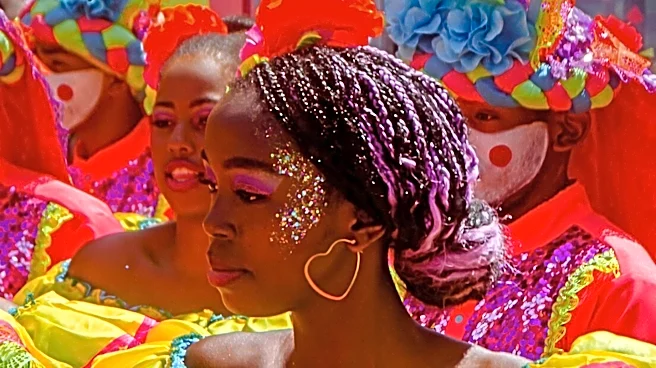
Chicago is set to host a wide array of events to celebrate Juneteenth 2026, marking the federal holiday with activities spread across the city from June 18 to June 20. The celebrations kick off on Thursday, June 18, with a free music series at Millennium
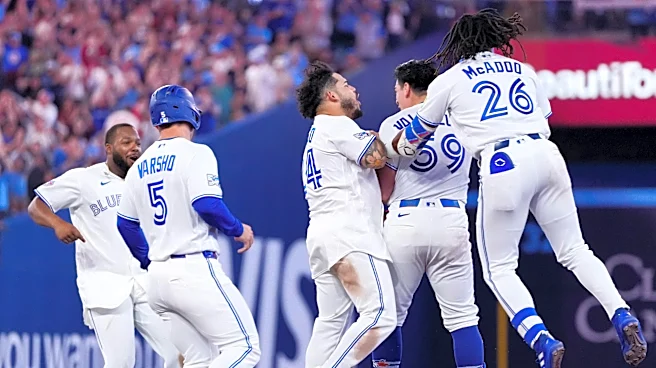
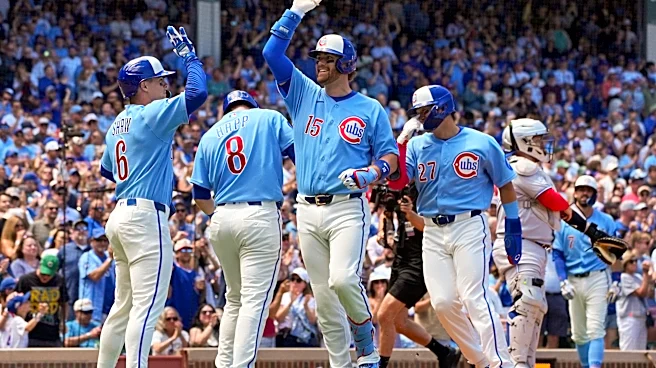
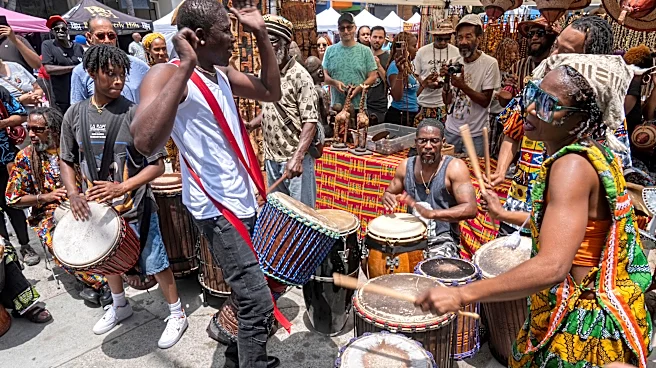
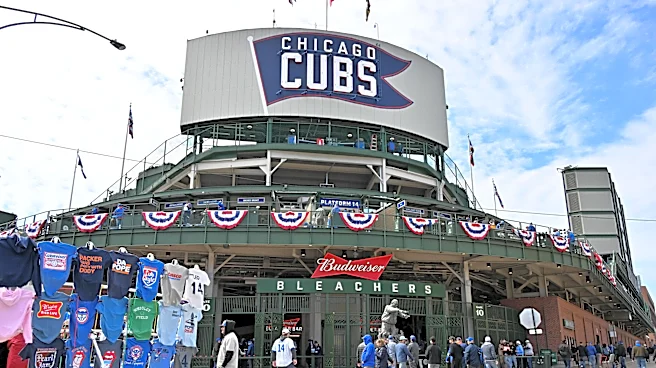
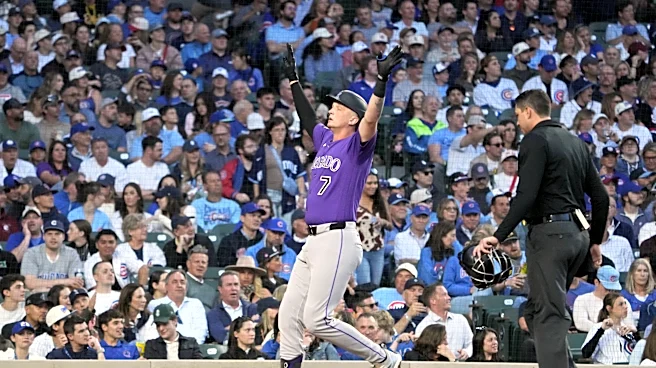
Park featuring performances by D-Composed and Kahil El'Zabar's Ethnic Heritage Ensemble. Other events include a Black Celebration Storytime at the Downers Grove Public Library and a community day at the Firehouse Community Arts Center in North Lawndale. On Friday, June 19, Wrigley Field will host pre-game activities and performances before the Cubs' game against the Toronto Blue Jays. The day will also feature the Black Entrepreneur Experience at Gallagher Way and various community events in West Pullman, Bronzeville, and Garfield Park. The celebrations continue on Saturday, June 20, with the 6th annual Juneteenth Celebration in Bronzeville, a children's event at the Bronzeville Children's Museum, and the African-American Awareness and Appreciation Parade in East Garfield Park.
Why It's Important?
Juneteenth, commemorating the end of slavery in the United States, has gained increased recognition and significance, especially after being declared a federal holiday. The extensive celebrations in Chicago reflect the city's commitment to honoring African American history and culture. These events provide a platform for community engagement, cultural expression, and economic opportunities for local Black-owned businesses. The celebrations also serve as a reminder of the ongoing struggle for racial equality and the importance of acknowledging and addressing historical injustices. By hosting a variety of events, Chicago not only celebrates the past but also fosters a sense of community and resilience among its residents.
What's Next?
As Juneteenth becomes more widely recognized, it is likely that celebrations will continue to grow in scale and significance. Chicago's diverse range of events sets a precedent for other cities to follow, potentially leading to more comprehensive and inclusive celebrations nationwide. The focus on community engagement and support for Black-owned businesses may inspire similar initiatives in other regions, contributing to broader economic and social impacts. Additionally, the increased visibility of Juneteenth could lead to further educational efforts and policy discussions around racial equity and justice.