





What's Happening?
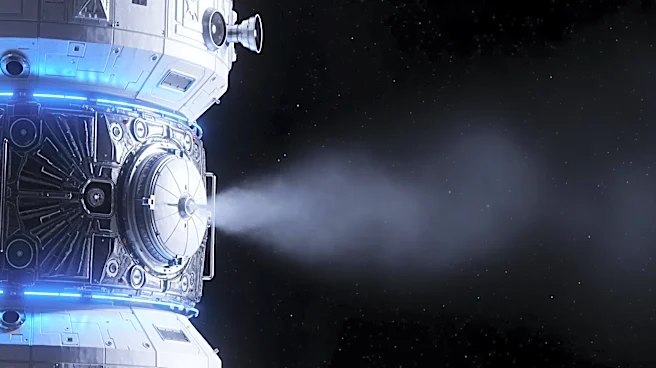
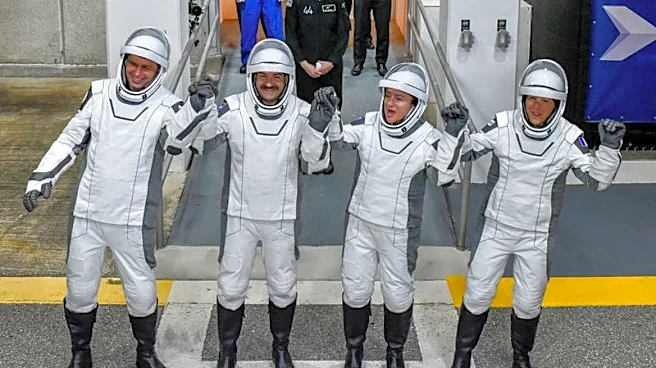
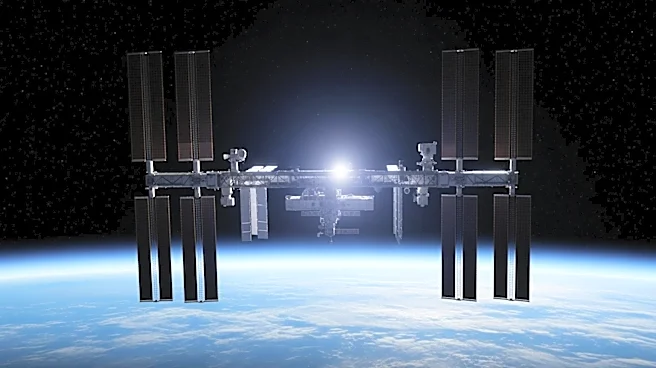
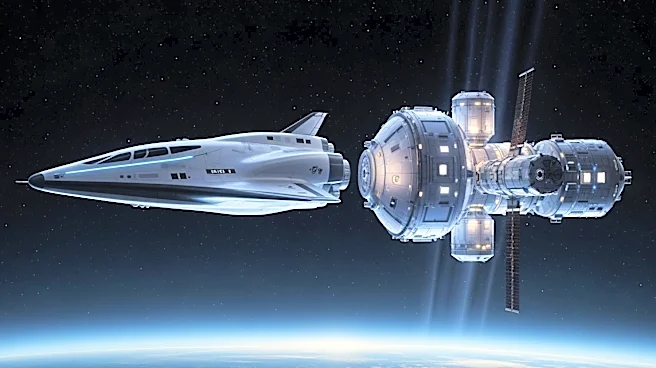
NASA temporarily moved part of the International Space Station (ISS) crew to shelter mode after an unexpected increase in the air leak rate in the Russian module, Zvezda. Five astronauts were instructed to move to the Crew Dragon spacecraft docked to the station,
preparing for a possible evacuation. The alert was lifted two hours later, allowing the astronauts to return to normal operations. The air leak volume increased approximately twofold compared to normal levels, raising concerns among mission leaders. Russian cosmonauts planned to use tools to access the suspected damage site, but NASA deemed this approach risky. Roscosmos reported two air leaks, one of which was quickly managed, while work on the second continued. The Russian side emphasized that there is no threat to the crew or the station's main systems. Discussions between NASA and Roscosmos have been ongoing regarding the tightness issues of the Zvezda module.
Why It's Important?
The incident highlights the ongoing challenges of maintaining the ISS, a complex technical object requiring constant monitoring and maintenance. The air leak situation underscores the importance of international cooperation in space exploration, as NASA and Roscosmos work together to address technical issues. The event also comes amid discussions in the U.S. Congress about extending the ISS's operation until 2032, which is crucial for preparing new commercial orbital stations and maintaining the U.S. position in space. The situation serves as a reminder of the risks associated with long-term space missions and the need for robust safety protocols.
What's Next?
NASA and Roscosmos will continue to analyze data and discuss further actions to address the air leak issue. The incident may influence ongoing discussions in the U.S. Congress about the future of the ISS, potentially impacting decisions on extending its operation. As the ISS remains a critical platform for international space collaboration, stakeholders will likely prioritize ensuring its safety and operational integrity. The situation may also prompt further investments in technology and infrastructure to support the station's longevity and the development of new orbital platforms.
Beyond the Headlines
The air leak incident on the ISS highlights the ethical and logistical challenges of international space cooperation. As space exploration becomes increasingly competitive, with growing activity from countries like China, maintaining collaborative efforts is essential for scientific advancement and geopolitical stability. The situation also raises questions about the sustainability of aging space infrastructure and the need for innovation in space technology. Long-term shifts in space policy and investment may be triggered by such incidents, influencing the future direction of global space exploration.