



What's Happening?
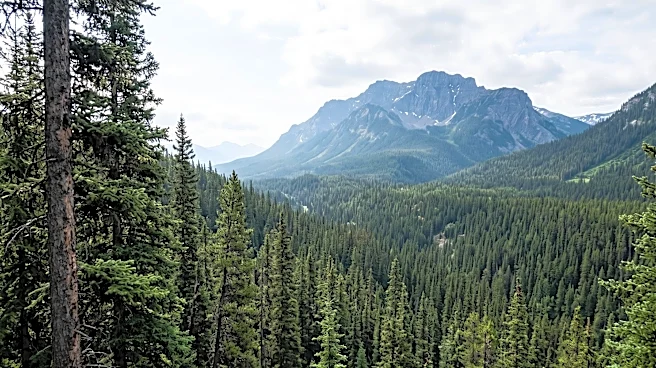
Protesters, including local residents and First Nations leaders, have successfully delayed planned clear-cutting operations by West Fraser Timber Co. Ltd. near Allison Creek, Alberta. The demonstration is taking place near the base of Mt. Tecumseh. This
delay has occurred despite a court injunction previously obtained by the timber company. The protesters have established a camp in the area, actively impeding the company's ability to proceed with its logging plans. The specific reasons for the protest, while not fully detailed in the source, are centered around the clear-cutting activities in this particular forest area. This ongoing standoff highlights a conflict between industrial logging operations and community/indigenous concerns over land use and environmental impact.
Why It's Important?
This incident underscores the growing tension between resource extraction industries and environmental/indigenous rights groups in North America. The successful delay of West Fraser Timber Co. Ltd.'s operations, even in the face of a court injunction, demonstrates the power of community activism and direct action. For the timber industry, such protests can lead to significant operational delays, increased costs, and potential reputational damage. For environmental advocates and First Nations communities, these actions are crucial in protecting natural habitats, preserving cultural heritage, and asserting land rights. The outcome of this particular standoff could set a precedent for future conflicts over resource development, influencing how timber companies approach land use and how communities mobilize to protect their interests. It also highlights the legal complexities involved, with court injunctions being challenged by on-the-ground resistance.
What's Next?
The immediate next steps will likely involve continued monitoring of the protest site and potential further legal actions from both West Fraser Timber Co. Ltd. and the protesting groups. The company may seek to enforce the existing court injunction more rigorously, potentially involving law enforcement. Conversely, the protesters may intensify their efforts or seek broader public and political support to maintain the delay and potentially halt the clear-cutting permanently. The situation could escalate if no resolution is found, leading to further confrontations. Long-term, this event could prompt West Fraser and other timber companies to re-evaluate their engagement strategies with local communities and indigenous groups, potentially leading to more collaborative approaches or, conversely, more stringent legal measures to protect their operational interests.
Beyond the Headlines
The conflict at Allison Creek touches upon deeper ethical and cultural considerations regarding land stewardship and resource exploitation. For First Nations leaders, the land often holds profound spiritual and cultural significance, extending beyond its economic value. Clear-cutting, in this context, can be seen as a destruction of heritage and a violation of ancestral rights. This clash of values—economic development versus environmental and cultural preservation—is a recurring theme in resource-rich regions. The incident also raises questions about the effectiveness and fairness of legal injunctions when faced with strong community opposition. It highlights the need for more inclusive decision-making processes that consider diverse perspectives and long-term ecological impacts, rather than solely focusing on short-term economic gains. The ongoing dialogue around such conflicts will shape future environmental policies and corporate social responsibilities.