








What's Happening?
Tick-borne illnesses, including Lyme disease and Alpha-gal Syndrome, are reportedly on the rise in various parts of the U.S., leading to increased public concern and a spike in emergency room visits for tick bites, according to the Centers for Disease
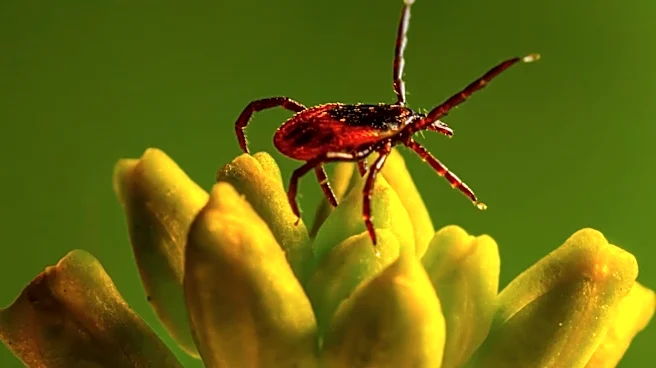
Control. Ticks are small arachnids that feed on blood and can transmit diseases. While most tick bites do not cause serious health problems, prompt removal is crucial to prevent potential infections. Symptoms of tick-borne illnesses often mimic the flu, appearing 1 to 3 weeks after a bite. Alpha-gal Syndrome, transmitted by the lone star tick, can cause an allergy to red meat. Despite the national trend, West Texas is considered one of the least 'ticky' places in the mainland U.S. due to its arid climate and lower populations of large, warm-blooded animals that host ticks. Dr. Chris Ritzi, an entomologist at Sul Ross State University, notes that tick numbers have not surged in West Texas as they have in more humid regions.
Why It's Important?
The increase in tick-borne illnesses across the U.S. has significant public health implications, potentially leading to a greater burden on healthcare systems and impacting individuals' quality of life. The rise of Alpha-gal Syndrome, in particular, presents a unique challenge, as it can induce a severe allergy to red meat, affecting dietary habits and potentially the agricultural and food industries. For regions like West Texas, the relatively low risk of tick-borne diseases is economically and socially beneficial, especially given its status as 'beef country,' where a red meat allergy would be particularly impactful. However, even in low-risk areas, awareness and preventive measures remain important to mitigate the potential for rare but serious infections. The differing regional impacts highlight the influence of environmental factors, such as humidity and host animal populations, on public health outcomes related to vector-borne diseases.
What's Next?
Public health officials and medical professionals will likely continue to emphasize tick bite prevention and prompt tick removal as key strategies to combat the rising incidence of tick-borne illnesses. Educational campaigns may focus on identifying tick habitats, using repellents, and proper tick removal techniques. Research into tick populations and disease transmission will also be crucial, particularly in understanding regional variations and potential future shifts in tick territories. For individuals, vigilance after spending time outdoors, especially in wooded or grassy areas, will remain important. In West Texas, while the risk is low, residents are still advised to be tick-aware, and entomologists like Dr. Ritzi will continue to monitor local tick populations and potential changes influenced by factors such as exotic game introduction or booming aoudad populations.
Beyond the Headlines
The varying prevalence of tick-borne illnesses across different U.S. regions underscores broader ecological and environmental shifts. The surge in tick populations in some areas is linked to factors like increased white-tailed deer populations and favorable wet conditions, highlighting the interconnectedness of wildlife, climate, and human health. The emergence of conditions like Alpha-gal Syndrome also points to the evolving nature of zoonotic diseases and the potential for new health challenges. This situation prompts a deeper consideration of land use, wildlife management, and climate patterns as determinants of public health. The anxiety surrounding tick bites, particularly the fear of developing a red meat allergy in a region known for its beef industry, also touches upon cultural and lifestyle impacts, demonstrating how environmental health issues can intersect with deeply ingrained societal practices and preferences.