








What's Happening?
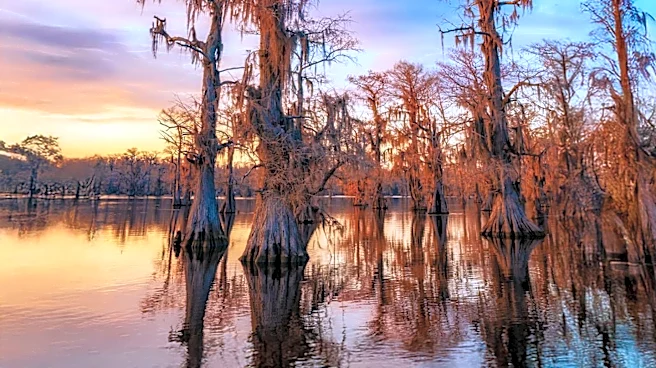
The Okefenokee Swamp in Georgia has been officially designated as a UNESCO World Heritage site, marking it as the first such site in the state and the 27th in the United States. This designation was announced during the 48th annual session of the World Heritage Committee
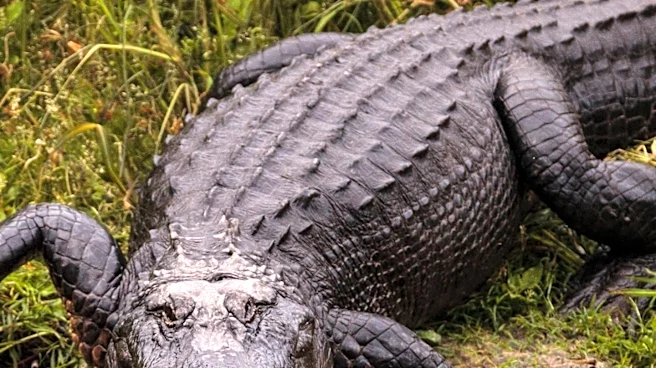
in Busan, South Korea. The Okefenokee Swamp, a National Wildlife Refuge, is recognized for its vast biodiversity and cultural significance, being home to over 1,270 species of plants and animals, including several threatened or endangered species. The swamp's nomination was first considered in 1982 and was officially put forward in 2024. U.S. Senator Jon Ossoff and other officials have expressed support for the designation, highlighting its potential to protect the swamp and promote tourism and economic growth in Southeast Georgia.
Why It's Important?
The designation of the Okefenokee Swamp as a UNESCO World Heritage site is significant for several reasons. It enhances the global recognition of Georgia's natural and cultural heritage, potentially increasing tourism and economic activity in the region. The swamp's inclusion on the list underscores the importance of preserving natural ecosystems that are crucial for biodiversity and climate regulation. This recognition also brings attention to the conservation efforts needed to protect such sites from threats like mining and development. The designation could lead to increased funding and support for conservation initiatives, benefiting both the environment and local communities economically.
What's Next?
Following its designation, efforts will likely focus on ensuring the protection and sustainable management of the Okefenokee Swamp. While the UNESCO status does not provide new legal protections, it raises awareness and could influence future regulatory decisions regarding activities around the swamp. Conservation groups and local stakeholders may push for stricter regulations to prevent potentially harmful activities, such as mining, that could threaten the swamp's ecosystem. Additionally, the increased visibility from the UNESCO designation may attract more visitors, necessitating infrastructure improvements and community engagement to manage tourism sustainably.
Beyond the Headlines
The recognition of the Okefenokee Swamp as a World Heritage site also highlights the cultural and historical significance of the area, particularly for Indigenous communities. The swamp has been a place of spiritual importance for Native American tribes, such as the Muscogee (Creek) Nation, whose ancestors lived in the region. This designation acknowledges their enduring connection to the land and may foster greater appreciation and understanding of Indigenous cultures and histories. Furthermore, the swamp's role in carbon storage through its peat reserves emphasizes its importance in global climate change mitigation efforts.