





What's Happening?
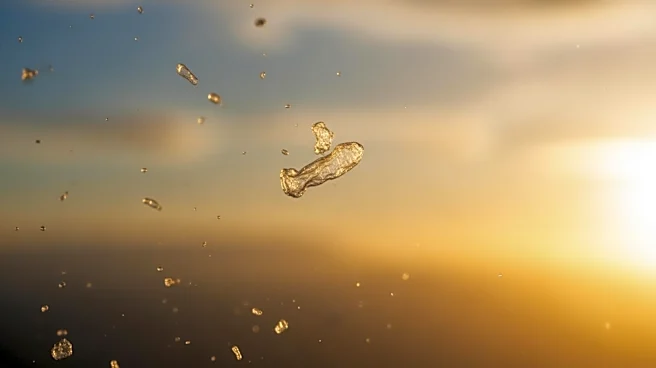
Recent research published in Nature Climate Change indicates that airborne microplastics and nanoplastics may contribute to global warming. These particles, which originate from the fragmentation of larger plastic waste, have been found to absorb sunlight,
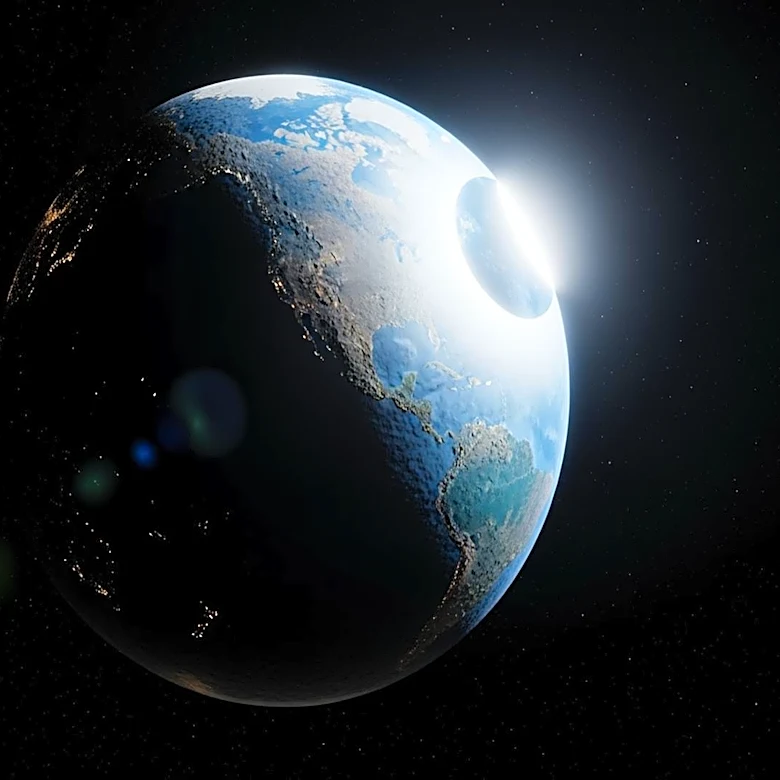
thereby affecting the Earth's radiative balance. The study suggests that the warming effect of these plastics is equivalent to 16.2% of that caused by black carbon, a known air pollutant. The impact is particularly pronounced over ocean regions with high plastic concentrations, such as the North Pacific Garbage Patch. The research highlights the need to consider these particles in future climate assessments, as they may influence regional climate patterns.
Why It's Important?
The findings underscore a previously underappreciated link between plastic pollution and climate change. As microplastics and nanoplastics are prevalent in various environments, their contribution to atmospheric warming could have significant implications for climate policy and environmental management. This research suggests that addressing plastic pollution could also mitigate some aspects of climate change. The study calls for more comprehensive climate models that include the effects of airborne plastics, which could lead to more accurate predictions and better-informed policy decisions.
What's Next?
Further research is needed to better understand the global distribution of micro- and nanoplastic particles and their full impact on climate. Scientists are likely to conduct more detailed observations and simulations to refine climate models. Policymakers may need to consider these findings when developing strategies to combat climate change and manage plastic waste. The study could also prompt increased public awareness and advocacy for reducing plastic pollution.