







What's Happening?
The housing market at the Jersey Shore has undergone significant transformation since Hurricane Sandy and the COVID-19 pandemic, leading to reduced affordability and potential impacts on the region's tourism industry. A new report from New Jersey Future
reveals that between 2010 and 2024, nearly 43,000 housing units were built in 73 Shore municipalities, yet the total number of homes increased by fewer than 17,500. This discrepancy is largely due to the replacement of smaller homes with larger, more expensive ones, particularly during post-Sandy rebuilding. The pandemic-era shift to remote work further accelerated this change, as many vacation homes became permanent residences, leading to a decline in seasonally vacant homes and a rise in wealthier year-round residents. This trend is crowding out traditional features of the Shore, including affordable housing and diverse lodging options for tourists.
Why It's Important?
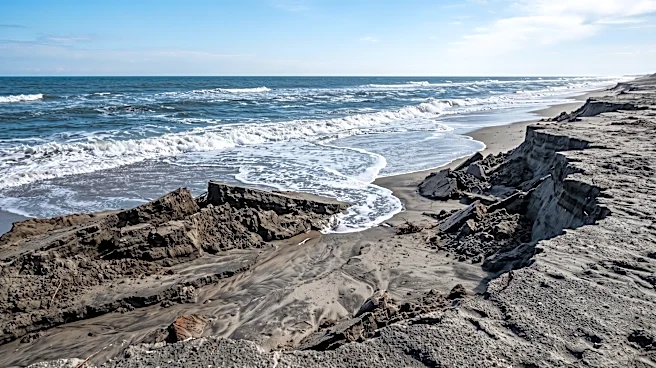
This transformation of the Jersey Shore housing market has profound implications for the region's economy, social fabric, and accessibility for a broad range of New Jerseyans. The increasing cost of housing and the shift towards wealthier year-round residents threaten the traditional mix of vacationers, year-round residents, and tourism workers, potentially making the Shore inaccessible to many. This could lead to a decline in the diversity of visitors and a reduction in the workforce needed to support the tourism industry. Furthermore, the growing year-round population in coastal areas increases the number of people living in communities vulnerable to climate risks like flooding and rising sea levels, raising questions about public infrastructure, emergency services, and who bears the cost of protection and recovery. The report highlights a critical challenge for policymakers to balance development, affordability, and climate resilience.
What's Next?
The report suggests that communities may need to consider formal steps to ensure that seasonal and weekly rental housing, as well as hotels and motels, remain a viable part of the Shore landscape. This could involve encouraging the development of smaller homes, apartments, condominiums, and new motels to preserve opportunities for vacationers across various income levels. State and local officials are urged to account for these changes in their planning, particularly concerning climate resilience regulations and municipal master plans. Difficult decisions lie ahead regarding which coastal areas can be protected and where development may become impractical due to climate risks. Policymakers will also need to address questions about who should pay for protecting increasingly wealthy coastal communities and whether public policy should ensure that those who benefit from development in vulnerable areas bear a greater share of the costs and risks.
Beyond the Headlines
The changing demographics and housing market at the Jersey Shore reflect a broader national trend of coastal gentrification and the complex interplay between economic forces, climate change, and social equity. This development raises ethical questions about the right to access public amenities, such as beaches, for people of all income levels. Culturally, it challenges the traditional identity of the Jersey Shore as a diverse and accessible vacation destination, potentially transforming it into an exclusive enclave. Legally, it may prompt new zoning laws, affordable housing initiatives, and climate adaptation policies. In the long term, the decisions made at the Jersey Shore could serve as a case study for other coastal communities grappling with similar pressures, highlighting the need for integrated planning that considers not only economic growth but also social inclusivity and environmental sustainability.