



What's Happening?
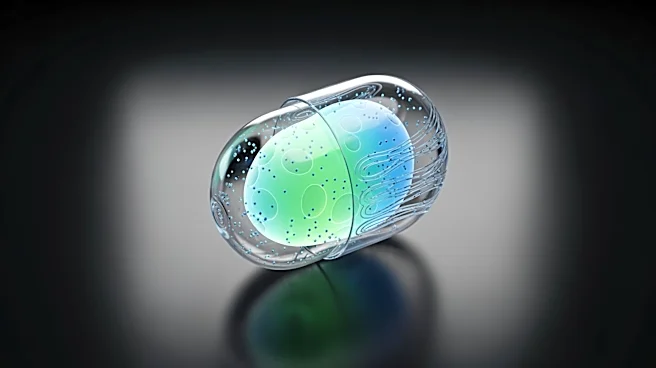
A team of scientists from Northwestern University, Rice University, and Carnegie Mellon University has developed a novel implantable device, termed a 'living pharmacy,' capable of producing multiple drugs inside the body. This device, which is fully implantable and subcutaneous,
generates local oxygen to support a high density of biologic-producing cells. The innovation aims to address the challenge of limited oxygen availability in subcutaneous spaces, which has previously restricted the success of cell therapies. The device, known as HOBIT (hybrid oxygenation bioelectronics system for implanted therapy), includes a chamber for genetically engineered cells, a mini oxygen generator, and electronics to regulate oxygen production. In animal models, the device successfully produced three different biologics: an anti-HIV antibody, a GLP-1-like peptide for type 2 diabetes, and the hormone leptin. The study demonstrated that these medicines remained viable over a 31-day period, highlighting the potential of this technology to deliver multiple therapies simultaneously.
Why It's Important?
This development represents a significant advancement in the field of cell therapy and biologics, offering a new method for sustained drug delivery directly within the body. By overcoming the oxygen limitation in subcutaneous spaces, the 'living pharmacy' could revolutionize treatment for various diseases, including cancer, neurological disorders, and diabetes. The ability to produce multiple drugs simultaneously within a single implant could reduce the need for repeated injections, improving patient compliance and quality of life. This technology could also pave the way for more personalized medicine approaches, where treatments are tailored to individual patient needs. The integration of bioelectronics and cell therapy in a single platform could lead to new therapeutic strategies that are currently not feasible with existing methods.
What's Next?
The research team plans to expand the capabilities of the 'living pharmacy' to target a broader range of diseases and cell types. Future studies will likely focus on optimizing the device for human use, including scaling up production and ensuring long-term safety and efficacy. Regulatory approval processes will be a critical next step, as the technology moves from animal models to clinical trials. The potential for this device to act as a programmable drug factory inside the body could attract interest from pharmaceutical companies and healthcare providers, leading to collaborations aimed at commercializing the technology. As the field of bioelectronics continues to evolve, further innovations could enhance the functionality and versatility of such implantable devices.