





What's Happening?
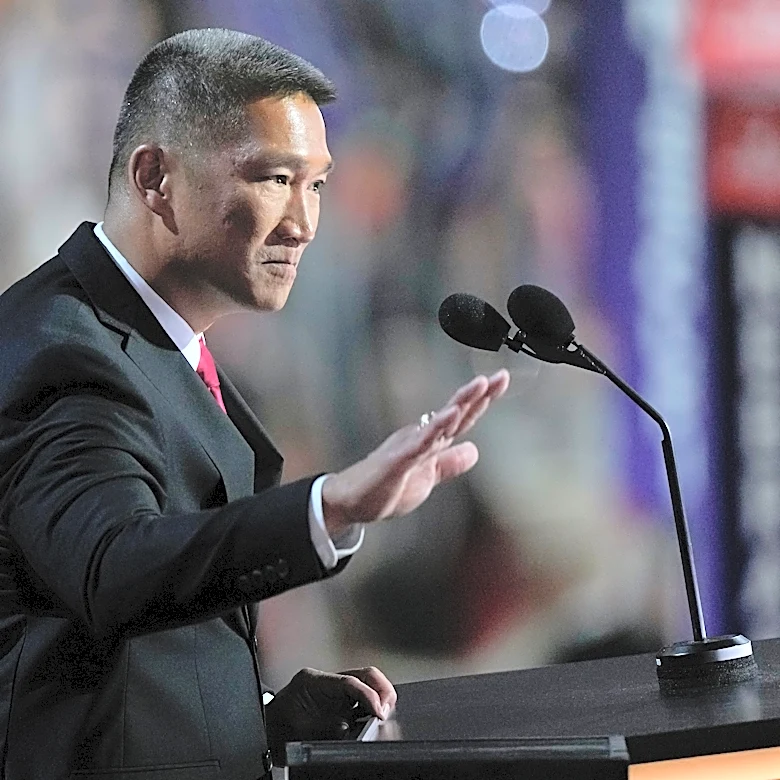
On August 31, 2026, the House Permanent Select Committee on Intelligence, led by Chairman Rick Crawford and Rep. Elise Stefanik, convened a full committee business meeting at the Flight 93 National Memorial in Shanksville, Pennsylvania. The purpose of
the meeting was to approve the Committee’s final review of the 9/11 Commission report, marking the 25th anniversary of the September 11 attacks. The review highlighted a significant shift in the threat landscape facing the United States. While the reforms implemented after 9/11 largely succeeded in preventing another large-scale terrorist attack of that nature, the Committee emphasized that future major attacks might not resemble past events. Instead, they could originate in new domains such such as cyberspace, target critical infrastructure like power grids and telecommunications systems, or involve advanced technologies like artificial intelligence, biological threats, and economic coercion. The report underscores the need for the U.S. to adapt its national security strategies to these evolving and complex challenges.
Why It's Important?
This review is crucial because it redefines the scope of national security threats for the United States, moving beyond traditional terrorism to encompass a broader and more technologically advanced array of dangers. The Committee's focus on areas like artificial intelligence, cyberattacks, and economic coercion signals a recognition that the U.S. must prepare for 'black swan' events—unpredictable, high-impact occurrences—that could leverage emerging technologies. This shift has significant implications for U.S. industries, particularly those in technology, energy, and telecommunications, as they become potential targets and also key partners in defense. The emphasis on a 'whole-of-government approach' and collaboration with industry partners suggests that private companies will play an increasingly vital role in national security. Furthermore, the bipartisan nature of the report, involving both Republican and Democratic lawmakers, indicates a unified congressional concern over these evolving threats, potentially paving the way for comprehensive policy changes and increased funding for cybersecurity, AI research, and critical infrastructure protection. Failure to address these new vulnerabilities could have severe economic and societal consequences, as a successful attack on these domains could cripple essential services and infrastructure.
What's Next?
Following the approval of the 9/11 Commission report review, the House Intelligence Committee's findings are expected to inform future legislative efforts and policy decisions regarding national security. The report's recommendations for accelerating the responsible adoption of advanced AI capabilities within the intelligence community, coupled with rigorous testing, human oversight, and civil liberties protections, will likely guide the development of new intelligence strategies. Stakeholders, including government agencies, technology companies, and critical infrastructure operators, will need to collaborate more closely to implement these recommendations. There may be increased pressure for regulatory frameworks to address the rapid evolution of AI and other advanced technologies to prevent their misuse by adversaries. The Committee's call for constant vigilance and adaptation suggests an ongoing process of reassessment and adjustment of national security measures to counter emerging threats effectively. This could lead to new intelligence authorization acts and increased investment in defensive and offensive cyber capabilities, as well as research into mitigating biological and AI-related risks.
Beyond the Headlines
The Committee's report delves into the deeper implications of technological advancements, particularly artificial intelligence, by highlighting the potential for 'frontier language models' to lower the barrier for malicious actors, including terrorists, to plan and execute more destructive attacks. This raises profound ethical and legal questions about the dual-use nature of advanced technologies and the responsibility of developers and governments to prevent their weaponization. The concept of a 'failure of imagination,' previously cited in the original 9/11 Commission report, is re-emphasized, suggesting that the U.S. must proactively anticipate unforeseen threats rather than react to them. This necessitates a cultural shift within intelligence agencies and across society to foster innovative thinking and interdisciplinary collaboration. The report also implicitly touches upon the delicate balance between national security and civil liberties, advocating for robust privacy protections alongside accelerated AI adoption. This ongoing tension will shape public discourse and policy debates as the nation grapples with how to leverage technology for defense without infringing on fundamental rights, especially as surveillance capabilities become more sophisticated.