





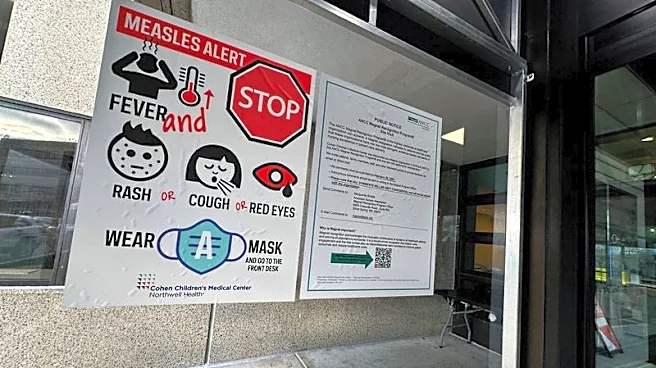
What's Happening?
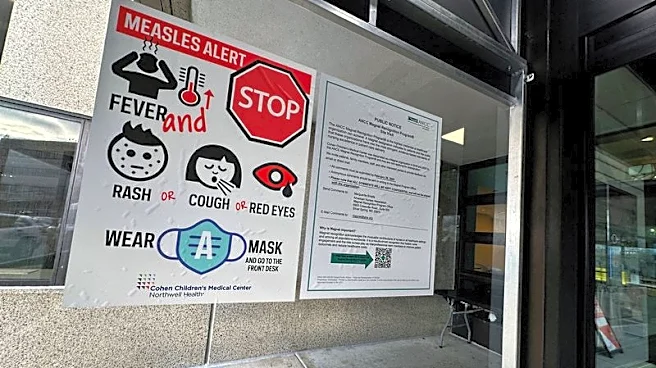
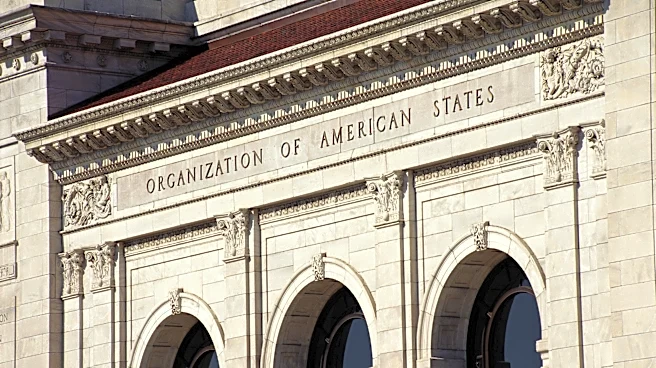
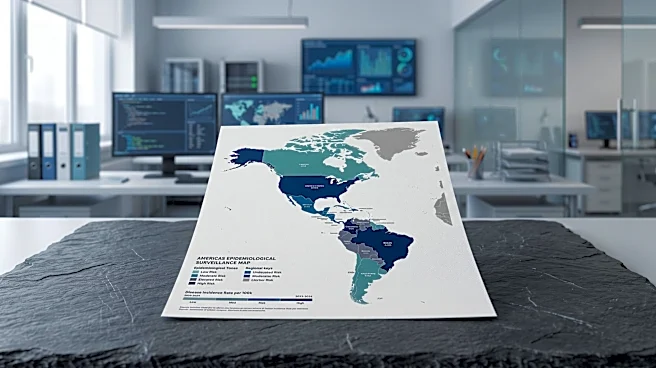
The Pan American Health Organization (PAHO) has issued a call to countries across the Americas to strengthen their efforts against measles transmission. This urgent appeal follows the re-establishment of endemic measles transmission in Bolivia, Mexico,
and the United States, leading to these nations losing their measles elimination status. The Measles, Rubella and Congenital Rubella Syndrome Elimination Regional Monitoring and Re-Verification Commission (RVC) determined that the same measles virus genotype and lineage circulated uninterrupted for 12 months or more in these countries. This marks a significant setback for the region, which had previously regained its elimination status in 2024 after successfully interrupting transmission in Venezuela and Brazil. As of November 13, 2026, the Americas have reported 58,213 confirmed measles cases and 82 deaths, a substantial increase from 12,806 cases during the same period last year. PAHO Director Dr. Jarbas Barbosa emphasized that losing elimination status signifies prolonged virus circulation, endangering communities with preventable illness, hospitalization, and death.
Why It's Important?
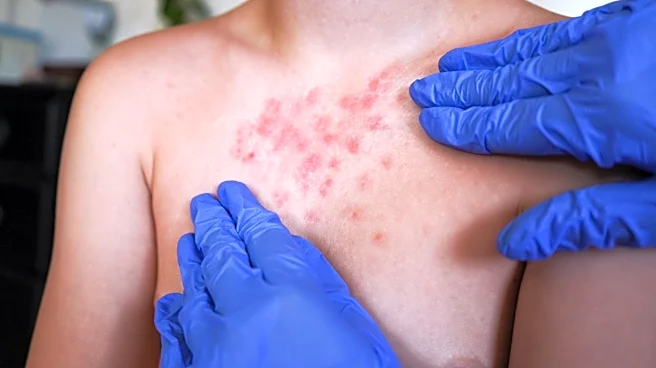
The loss of measles elimination status by the United States, Bolivia, and Mexico highlights critical gaps in population immunity and poses a significant public health threat across the Americas. Measles is one of the most contagious diseases, capable of causing severe complications like pneumonia, encephalitis, blindness, and even death. Its resurgence reflects persistent vaccination gaps, often concentrated in specific communities due to barriers to health services, missed vaccinations, misinformation, and vaccine hesitancy. This situation not only jeopardizes the health of vulnerable populations, including infants too young for vaccination and individuals with medical contraindications, but also strains healthcare systems. The regional setback underscores the need for renewed commitment to vaccination campaigns, robust epidemiological and laboratory surveillance, and rapid outbreak response to protect public health and prevent further spread of the virus. The economic impact of outbreaks, including healthcare costs and productivity losses, could also be substantial.
What's Next?
PAHO is actively collaborating with countries to interrupt measles transmission through various strategies, including vaccination campaigns, enhanced epidemiological and laboratory surveillance, rapid-response teams, and support for outbreak investigation and containment. The RVC has recommended several priority actions for countries to strengthen their efforts. These include assessing risks to identify high-risk municipalities and populations, strengthening active case finding in health facilities and communities, improving the classification of suspected vaccine reactions, and adapting responses based on the epidemiological situation using PAHO's Measles Preparedness and Response Matrix. Additionally, protecting health workers by verifying vaccination status and implementing airborne isolation protocols, and ensuring timely resources for field teams are crucial next steps. Sustaining at least 95% coverage with both doses of the measles vaccine in every community is essential to close immunity gaps and prevent further transmission, with a focus on reaching vulnerable communities often masked by national averages.
Beyond the Headlines
The re-establishment of endemic measles transmission in several American nations, including the United States, points to deeper societal challenges beyond immediate public health measures. The role of misinformation and vaccine hesitancy in creating immunity gaps is a critical underlying factor that requires comprehensive strategies involving public education, community engagement, and addressing trust deficits in healthcare systems. This situation also highlights the interconnectedness of global health, as measles resurgence in one region can quickly spread due to international travel. The long-term implications include a potential erosion of public confidence in vaccination programs and a shift in public health priorities towards managing preventable diseases rather than focusing on emerging threats. Re-establishing elimination status will require sustained political will, significant financial investment, and a coordinated regional approach to overcome these complex challenges and rebuild community immunity.