

What's Happening?
Adam Gray's Democratic Party recently blocked the Ratepayer Protection Act, a legislative effort aimed at reducing energy costs for consumers. This action has drawn sharp criticism from the National Republican Congressional Committee (NRCC), which accused
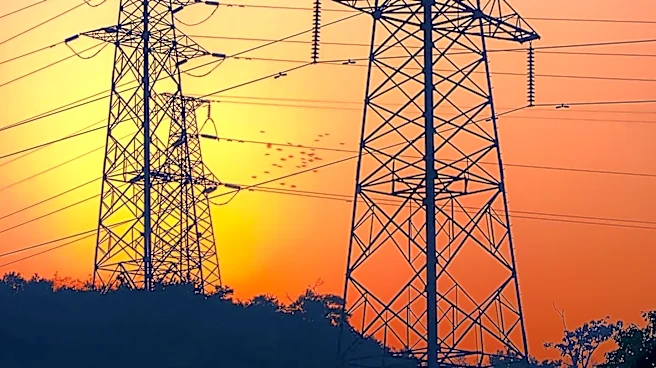
Gray's party of prioritizing the Green New Deal agenda over affordable utility rates. According to the NRCC, this decision aligns with policies that have already contributed to increased utility costs for families. Republicans, including Kevin Lincoln, have been advocating for measures to protect Californians from rising energy prices, while Gray's party is seen as defending the very policies driving these increases. The NRCC spokesman, Christian Martinez, stated that Democratic colleagues are choosing the Green New Deal over lower energy costs for hardworking families.
Why It's Important?
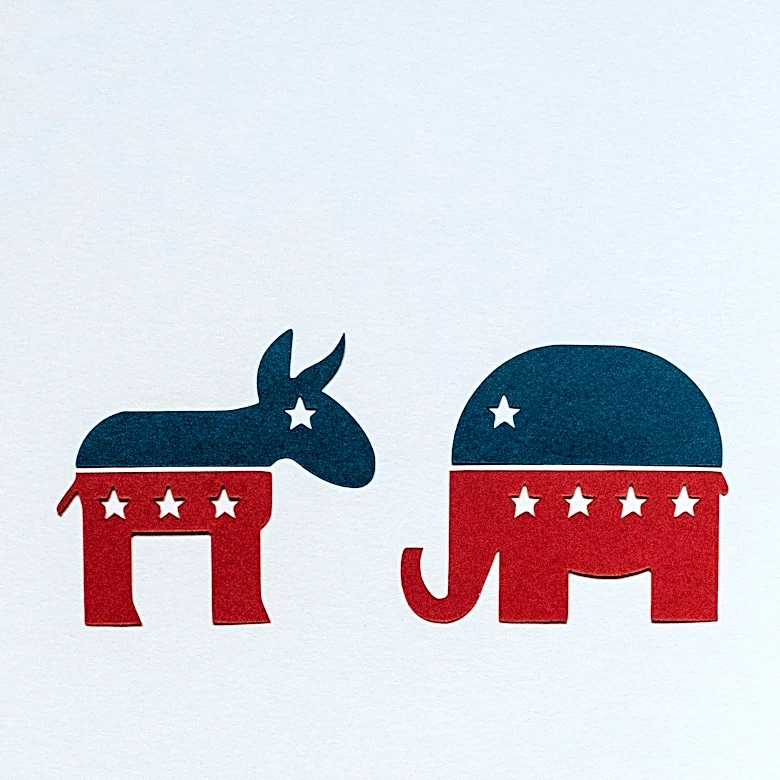
This legislative blockage is significant as it highlights a fundamental divergence in energy policy approaches between the Democratic and Republican parties, with direct implications for U.S. households and the energy sector. For consumers, the continued adherence to policies perceived as aligned with the Green New Deal, as argued by the NRCC, could mean sustained or further increases in utility bills, impacting household budgets and disposable income. For the energy industry, this signals ongoing regulatory and policy uncertainty, particularly for traditional energy producers who may face stricter environmental mandates. Conversely, renewable energy sectors might see continued support, but the debate underscores the challenge of balancing environmental goals with immediate economic concerns like energy affordability. The political ramifications are also notable, as the NRCC is using this issue to rally support for defending a conservative majority, framing it as a clear choice between environmental policies and economic relief for families.
What's Next?
The blocking of the Ratepayer Protection Act is likely to intensify the political debate surrounding energy policy, especially as midterm elections approach. Republicans are expected to continue using this issue in their campaigns, emphasizing the impact of Democratic policies on household energy costs to galvanize their base and attract swing voters. Conversely, Democrats may need to articulate how their energy policies, while potentially leading to short-term cost increases, offer long-term benefits such as environmental protection and energy independence. This legislative stalemate could lead to further attempts by Republicans to introduce similar bills aimed at lowering energy costs, potentially forcing more votes that highlight the partisan divide. The ongoing discussion will likely influence public perception of both parties' economic and environmental platforms, shaping future legislative priorities and electoral outcomes.
Beyond the Headlines
Beyond the immediate political skirmish, this event underscores a deeper societal tension between environmental sustainability and economic affordability. The 'Green New Deal agenda,' as referenced by the NRCC, represents a broader philosophical commitment to combating climate change through significant economic restructuring, which often entails transitional costs. The blocking of the Ratepayer Protection Act, therefore, is not just about a single bill but reflects the ongoing struggle to reconcile these two critical objectives. It raises questions about the equitable distribution of the costs associated with transitioning to a greener economy and whether these burdens disproportionately affect lower-income families. This debate also highlights the challenge of communicating the long-term benefits of environmental policies when immediate economic pressures are salient, potentially leading to public skepticism or resistance to climate initiatives if not carefully managed. The outcome of such legislative battles could set precedents for how future environmental and economic policies are framed and implemented in the U.S.