
What's Happening?
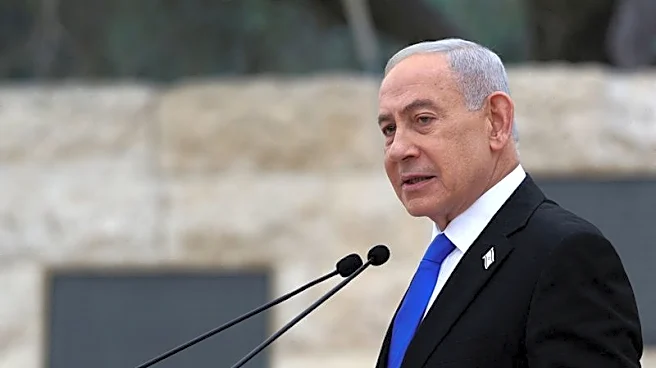
President Trump reportedly had a heated exchange with Israeli Prime Minister Benjamin Netanyahu over Israel's threats to resume airstrikes on Beirut's southern suburbs. The confrontation occurred after
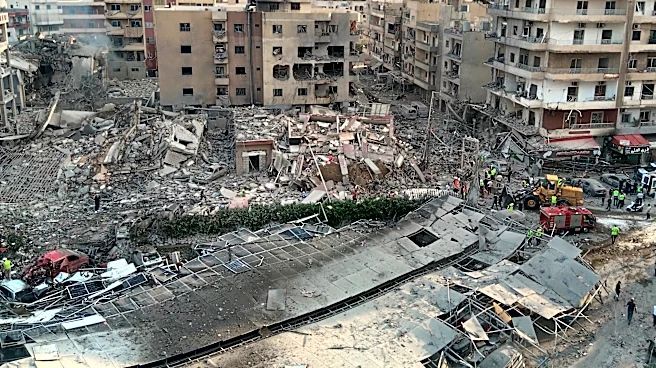
Netanyahu ordered military action against Hezbollah, leading to civilian evacuations in southern Beirut. This development follows Iran's decision to suspend peace talks with the U.S. due to Israel's military actions in Lebanon. The phone call between Trump and Netanyahu, reported by Axios, highlights the tensions between the U.S., Israel, and Iran, with potential implications for regional stability and diplomatic relations.
Why It's Important?
The confrontation between President Trump and Netanyahu underscores the complex geopolitical dynamics in the Middle East. Israel's military actions and Iran's response could escalate tensions, affecting U.S. foreign policy and its role in the region. The suspension of peace talks by Iran complicates efforts to negotiate a ceasefire and address broader issues like the blockade of Iranian ports. This situation also impacts U.S. domestic politics, as different factions within the Republican party have varying stances on the U.S.'s involvement in Middle Eastern conflicts. The outcome of these tensions could influence upcoming elections and the U.S.'s strategic alliances.
What's Next?
The immediate future may see continued diplomatic efforts to de-escalate tensions between Israel and Iran, with the U.S. playing a mediating role. However, the political pressures on both Trump and Netanyahu could lead to further military actions or diplomatic stalemates. The potential dissolution of Israel's Knesset and Netanyahu's ongoing corruption trial add layers of complexity to the situation. Observers will be watching for any shifts in U.S. policy or changes in the regional power dynamics that could arise from these developments.