



What's Happening?
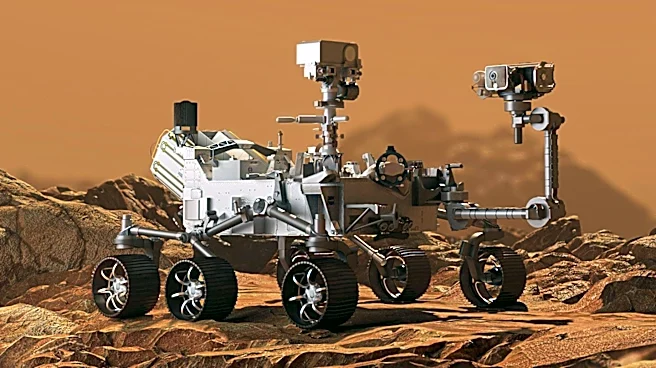
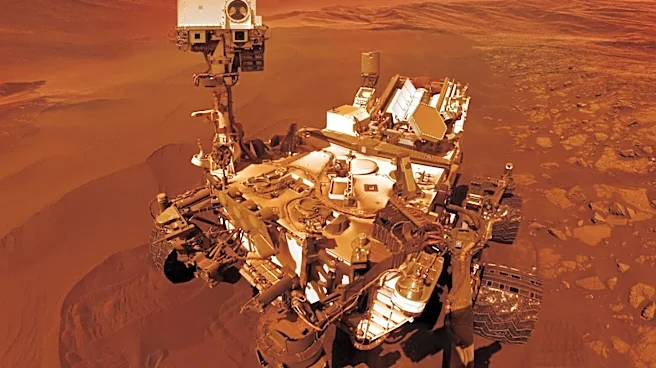
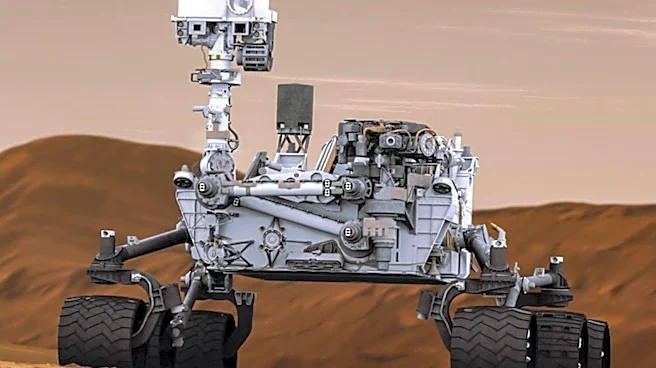
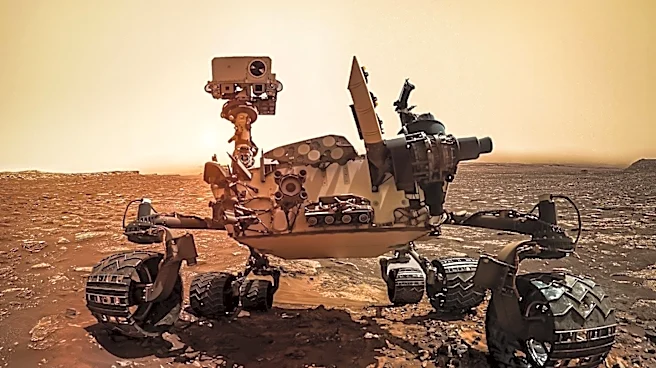
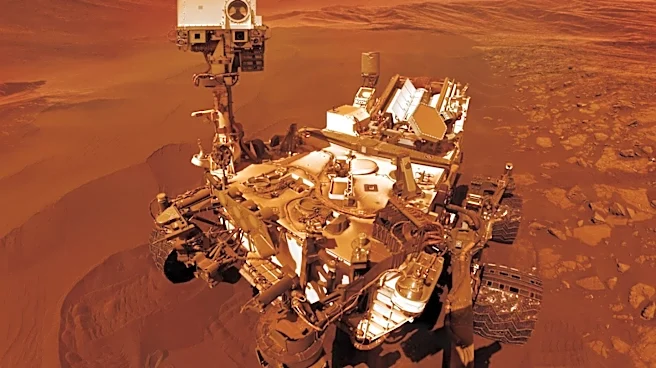
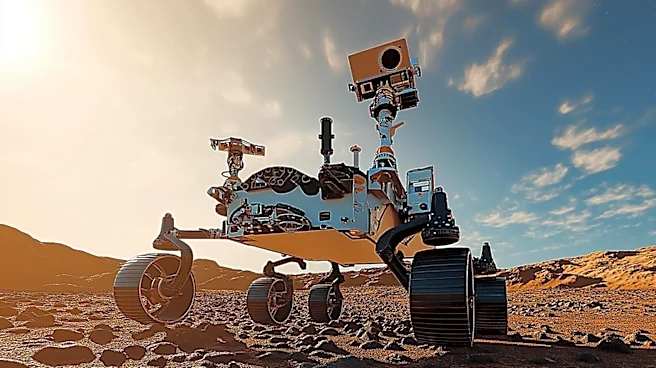
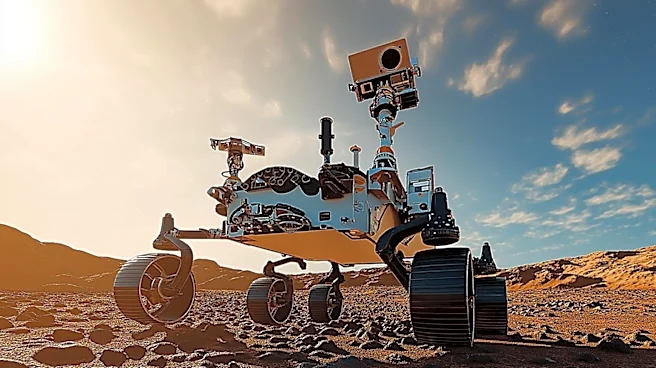
NASA's Curiosity Rover has captured images of extensive polygonal features on Mars, located in the Valle Grande region. These honeycomb-like structures, known as polygonal fractures, are about 1.5 to 3 inches across and have been seen before, but never
in such abundance. The rover's 360-degree panorama reveals these formations stretching across the Martian surface. Scientists are investigating these features to understand their formation, which may involve cycles of temperature changes or sediment compression. This discovery adds to the growing body of evidence about Mars' geological history and its potential to have supported life.
Why It's Important?
The discovery of these polygonal features is crucial for understanding Mars' geological and climatic history. The formations may indicate past water activity, which is a key factor in assessing the planet's habitability. This finding enhances our knowledge of Martian geology and supports the ongoing search for signs of past life. The data collected by Curiosity could inform future missions and strategies for exploring Mars, particularly in identifying regions that may have once been habitable.