







What's Happening?
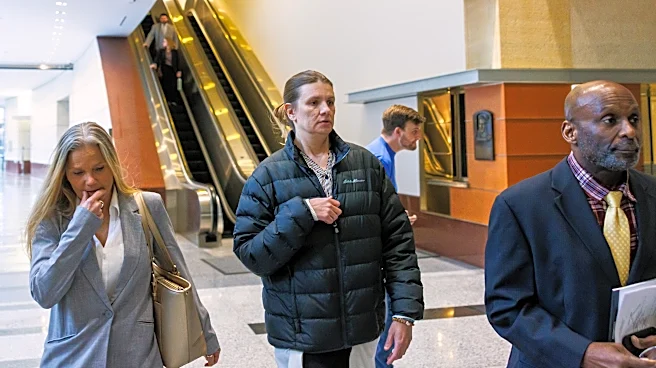
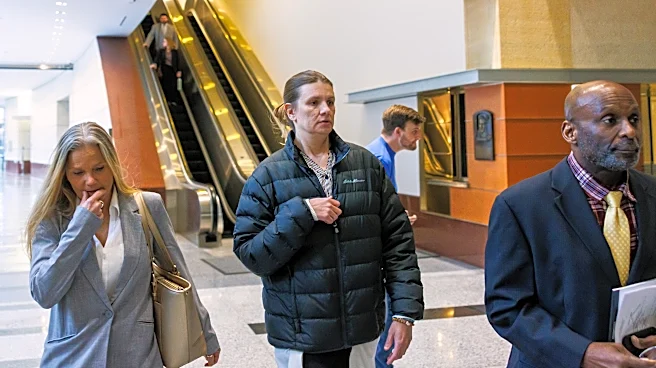
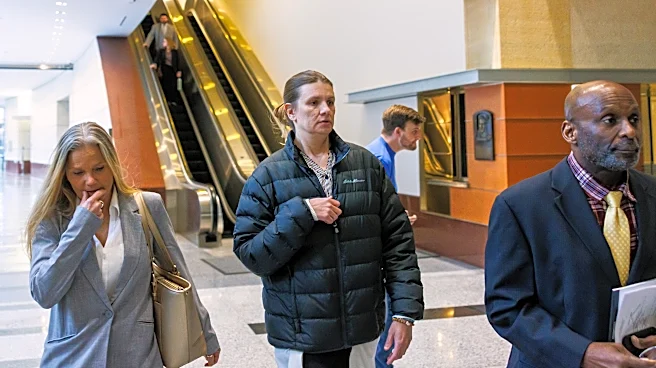
The U.S. Department of Justice has announced charges against 15 individuals in Minnesota for their involvement in a Medicaid fraud scheme totaling over $90 million. The defendants, including owners of child care centers and Medicaid providers, are accused
of participating in various fraudulent activities, such as billing for services not provided and exploiting Medicaid programs designed to support vulnerable populations, including children with autism and adults with disabilities. This operation marks the largest autism fraud case in U.S. history, with two defendants charged in a $46.6 million scheme involving the Early Intensive Developmental and Behavioral Intervention program. The Justice Department is expanding its Health Care Fraud Section to combat such fraud nationwide, adding 15 new trial attorneys to its ranks.
Why It's Important?
This crackdown on Medicaid fraud is significant as it highlights the ongoing challenges in safeguarding public funds intended for vulnerable populations. The fraudulent activities not only divert essential resources from those in need but also undermine public trust in government programs. The expansion of the Health Care Fraud Section underscores the federal government's commitment to addressing this issue and protecting taxpayer dollars. The operation also serves as a warning to potential fraudsters that the government is intensifying its efforts to detect and prosecute such crimes, which could lead to more stringent oversight and regulatory measures in the healthcare sector.
What's Next?
The Justice Department's expansion of its Health Care Fraud Section suggests a continued focus on identifying and prosecuting Medicaid fraud across the United States. The addition of new prosecutors will likely lead to increased investigations and potential charges in other states. This initiative may prompt healthcare providers to enhance compliance measures to avoid scrutiny. Additionally, the public and private sectors may collaborate more closely to develop strategies to prevent fraud and ensure that Medicaid funds are used appropriately to support those in need.