







What's Happening?
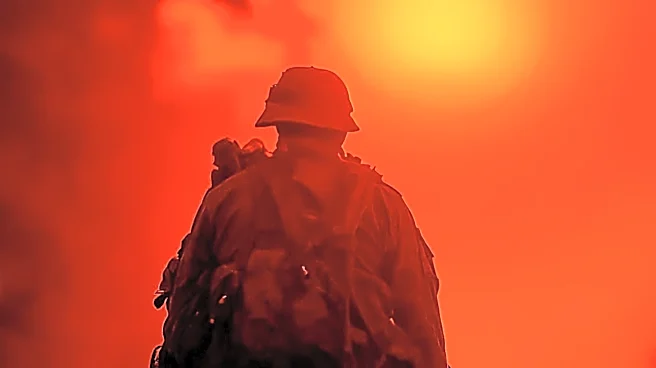
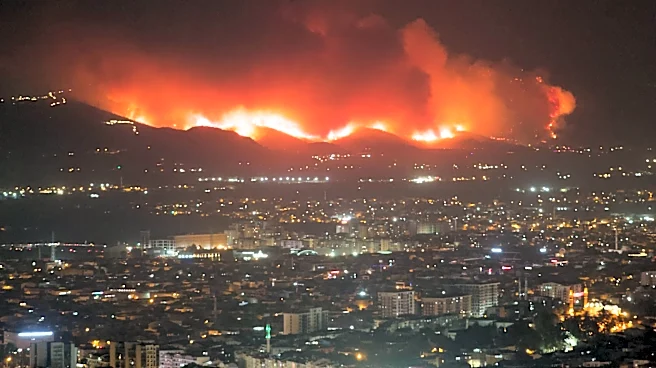
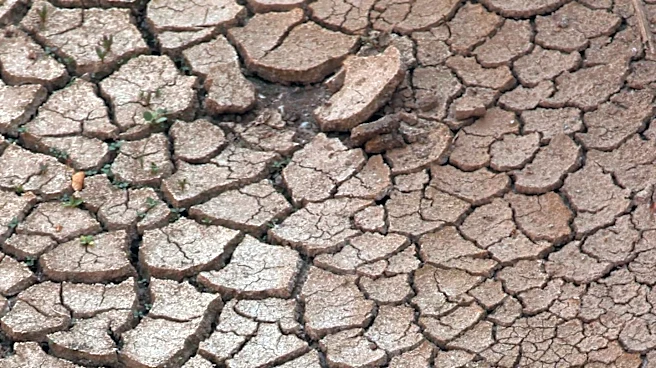
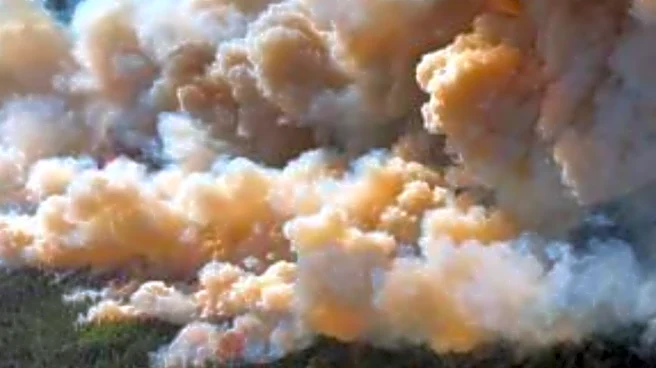
Wildfires are currently raging across the western United States and Canada, exacerbated by severe drought conditions. In the U.S., over 40 large wildfires are burning, with significant activity in Washington and Nevada. The Bug Fire near Reno, Nevada,
has consumed more than 15,000 acres, forcing thousands to evacuate. In Utah, a helicopter crash during firefighting efforts resulted in the deaths of two pilots. In Canada, the Bald Range Fire in British Columbia has nearly doubled in size overnight, leading to the evacuation of over 20,000 people. The province has declared a state of emergency as more than 100 wildfires burn across the region.
Why It's Important?
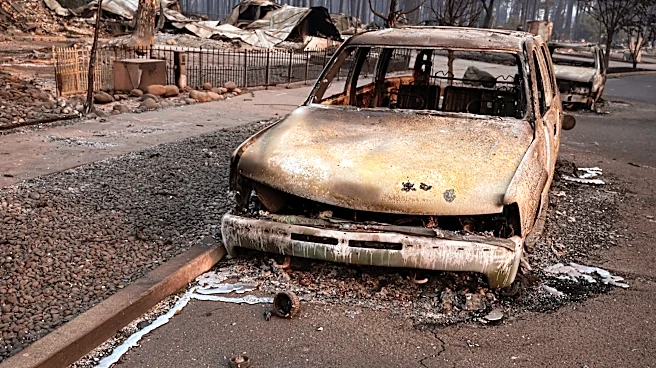
The wildfires pose a significant threat to communities, infrastructure, and natural resources in both the U.S. and Canada. The evacuations highlight the immediate danger to human life and property, while the ongoing drought conditions suggest that these fires could continue to spread. The situation underscores the broader challenges of climate change, which is contributing to more frequent and severe weather events. The economic impact is also considerable, with potential losses in property, tourism, and firefighting costs. The fires also strain emergency services and highlight the need for improved wildfire management and prevention strategies.
What's Next?
Authorities are focused on containment efforts and ensuring the safety of evacuated residents. In Spokane, Washington, some evacuations have been lifted, but the hardest-hit areas remain closed as crews work to eliminate hot spots and remove hazardous materials. The situation remains dynamic, with weather conditions playing a critical role in firefighting efforts. Long-term, there may be increased calls for policy changes to address climate resilience and emergency preparedness.