





What's Happening?
Miyazaki, located on the southeastern coast of Kyushu, Japan, is actively promoting itself as a tourist destination that blends ancient Japanese mythology, lush landscapes, and a relaxed coastal atmosphere. A recommended three-day, two-night itinerary
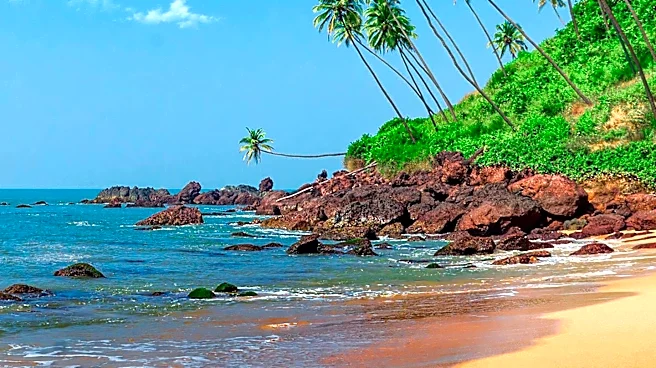
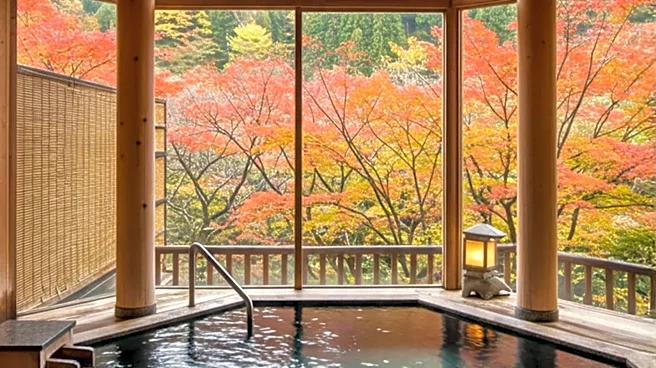
highlights cultural sites, Pacific coastline exploration, and relaxation at the Phoenix Seagaia Resort. Visitors can explore Aoshima, a small island known for its subtropical vegetation, unique geological formations like the 'Devil’s Washboard,' and the Aoshima Shrine. The itinerary also suggests visits to Eda Shrine and Misogi Pond, both connected to Japan’s creation mythology, and Miyazaki Jingu, dedicated to Emperor Jimmu. The Phoenix Seagaia Resort serves as a central base, offering various amenities including hot springs, multiple restaurants, and recreational facilities. The region emphasizes its local cuisine, particularly Miyazaki wagyu beef and chicken nanban.
Why It's Important?
This tourism initiative is important for the U.S. travel industry as it offers new and unique travel experiences for American tourists seeking destinations beyond Japan's major cities. The focus on mythology and natural beauty provides a cultural immersion that can appeal to a niche market of travelers interested in history and serene environments. For U.S. tour operators and travel agencies, Miyazaki presents an opportunity to diversify their Japan offerings, potentially attracting repeat visitors or those looking for a less conventional Japanese experience. The emphasis on luxury resorts and local cuisine also caters to travelers seeking comfort and authentic culinary experiences, which can drive demand for premium travel packages. The promotion of specific itineraries helps simplify travel planning for international visitors, making the region more accessible.
What's Next?
Miyazaki is expected to continue its efforts to attract international tourists, potentially through collaborations with international travel agencies and increased digital marketing campaigns. The region may further develop its infrastructure to accommodate a growing number of visitors, including enhancing transportation links and expanding accommodation options. Future initiatives could also focus on promoting specific seasonal attractions or events to encourage year-round tourism. The success of these efforts will likely be measured by an increase in international visitor numbers and positive feedback on the unique cultural and natural experiences offered. The ongoing development of tailored itineraries and resort packages will be crucial in sustaining interest and growth in the region's tourism sector.
Beyond the Headlines
The promotion of Miyazaki highlights a broader trend in global tourism where destinations are increasingly leveraging their unique cultural heritage and natural assets to attract visitors. This approach moves beyond generic sightseeing to offer deeper, more immersive experiences. For Japan, it signifies a strategic effort to distribute tourism benefits beyond traditional hotspots like Tokyo and Kyoto, fostering economic growth in regional areas. The emphasis on mythology and spiritual sites also taps into a growing interest in wellness and mindful travel, where visitors seek not just relaxation but also cultural and spiritual enrichment. This shift could lead to more sustainable tourism practices, as it encourages visitors to explore diverse regions and appreciate local traditions, potentially reducing the environmental and social impact on over-touristed areas.