







What's Happening?
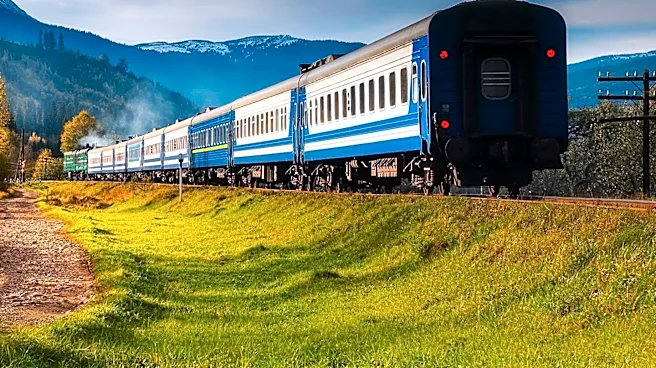
Amtrak provides passenger rail services across 46 states in the U.S. and three Canadian provinces, connecting over 500 destinations. The network is divided into high-frequency regional corridors, like the Northeast Corridor (NEC) which runs from Boston
to Washington D.C., and long-distance routes such as the California Zephyr or Empire Builder. Regional routes prioritize speed and efficiency for commuters, often covering distances under 400 miles and supported by state departments of transportation. Long-distance routes, conversely, emphasize the journey itself, offering specialized accommodations like private roomettes and sightseeing lounge cars for multi-day trips. Amtrak's interactive map and mobile app allow travelers to plan routes, track trains live, check for delays, and verify arrival times. The service highlights include unmatched scenery through protected wilderness and mountain passes, spacious accommodations with generous legroom, and environmental efficiency due to lower carbon emissions compared to driving or flying. Most train stations are conveniently located in historic city centers, offering direct downtown connections.
Why It's Important?
Amtrak's extensive rail network plays a crucial role in U.S. transportation by offering an alternative to air and road travel, particularly for intercity and long-distance journeys. Its focus on environmental efficiency aligns with growing national efforts to reduce carbon footprints, positioning rail as a sustainable mode of transport. The downtown connections provided by Amtrak stations can alleviate urban congestion and support local economies by bringing travelers directly into city centers. For industries, the availability of a reliable and comfortable rail service can influence business travel decisions and potentially reduce the demand for short-haul flights. The network's ability to connect diverse regions, from urban hubs to scenic natural landscapes, also supports tourism and regional development, offering unique travel experiences that are inaccessible by other means. However, challenges such as freight interference causing delays outside the Northeast Corridor and limited geographic coverage in some rural areas highlight ongoing infrastructure and operational considerations for the U.S. rail system.
What's Next?
Amtrak will likely continue to leverage its interactive digital tools to enhance the passenger experience, offering real-time data and seamless trip planning. Future developments may focus on addressing the challenges of freight interference, potentially through infrastructure investments or policy changes to prioritize passenger rail on shared tracks. There could also be efforts to expand service into currently underserved regions, such as South Dakota and Wyoming, to further broaden the national network's reach. As demand for sustainable travel grows, Amtrak may explore further enhancements to its environmental efficiency and promote its eco-friendly aspects. The ongoing evolution of the network will involve balancing modernization with the preservation of historic routes and stations, ensuring that the rail system remains a viable and attractive option for both commuters and leisure travelers across the U.S. and into Canada.
Beyond the Headlines
The continued operation and development of Amtrak's rail network underscore a broader societal value placed on alternative transportation methods that offer both practical and experiential benefits. The emphasis on 'unmatched scenery' and 'spacious accommodations' suggests a shift in travel preferences, where the journey itself becomes a significant part of the destination. This perspective challenges the prevailing focus on speed and efficiency in modern travel, advocating for a more deliberate and immersive experience. Furthermore, Amtrak's environmental efficiency contributes to the national discourse on climate change and sustainable living, highlighting how individual travel choices can collectively impact ecological health. The integration of historic stations into modern transit systems, as seen with Ogilvie Station in Chicago, also reflects a commitment to preserving architectural heritage while adapting to contemporary needs, showcasing a blend of past and future in urban development and infrastructure. The reliance on freight rail tracks outside the Northeast Corridor also brings to light the complex interplay between commercial and public transportation interests in the U.S. rail system.