
What's Happening?
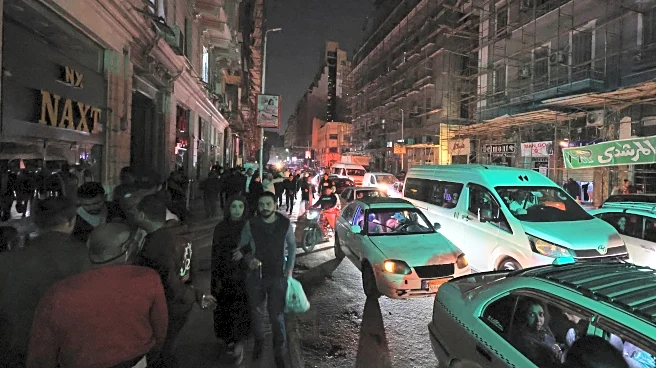
The European Commission has advised citizens to work from home and reduce travel as part of efforts to mitigate the impact of an ongoing energy crisis. This crisis has been exacerbated by the conflict in the Gulf, where U.S. and Israeli actions against
Iran have led to significant disruptions in oil and gas supplies. The EU is focusing on increasing renewable energy sources and biofuels to enhance energy security. The situation is reminiscent of the 1970s oil shock, with potential global economic impacts similar to those experienced during the COVID-19 pandemic.
Why It's Important?
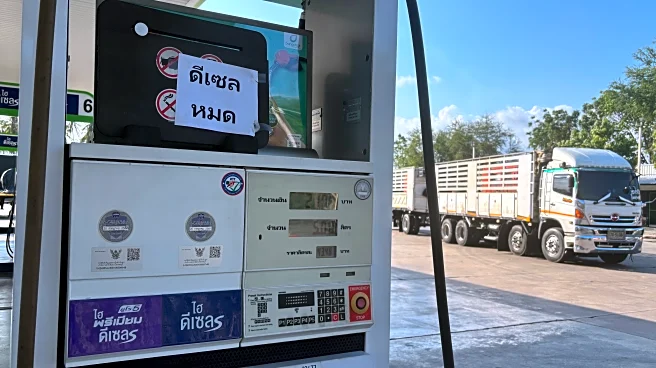
The energy crisis poses a significant challenge to the EU's economic stability and energy security. With oil and gas prices soaring, there is an urgent need for alternative energy solutions to reduce dependency on Middle Eastern supplies. The EU's response could influence global energy markets and drive policy changes towards sustainable energy practices. The crisis also highlights the interconnectedness of global economies and the potential for geopolitical conflicts to disrupt essential resources.
What's Next?
The European Commission is expected to announce a package of measures to address the energy crisis. These may include increased investment in renewable energy infrastructure and incentives for energy conservation. EU member states will need to coordinate their responses to ensure a unified approach. The situation may also prompt further discussions on energy independence and security within the EU and with international partners.