





What's Happening?
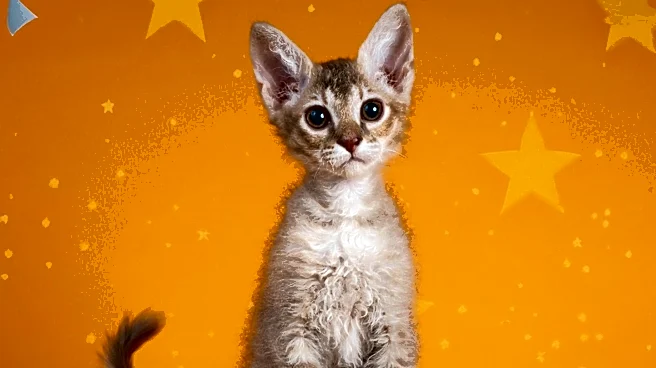
Councilmember Frank Morano has introduced the 'Bodega Cat Bill' in New York City, aiming to overturn the existing health code that prohibits live animals in retail food establishments. This legislation would permit cats to remain in bodegas and other
stores, a common practice that has been technically illegal under current city regulations. The bill also proposes voluntary programs to provide free vaccination and spay/neuter services for these cats. While the city-level ban could be lifted, state regulations would still need to be addressed to fully authorize the presence of cats in these establishments. The initiative reflects the cultural significance and affection New Yorkers have for these feline companions, often seen as unofficial mascots of local bodegas.
Why It's Important?
The proposed legislation is significant as it addresses a long-standing cultural practice in New York City, where bodega cats are cherished for their companionship and pest control abilities. By potentially legalizing their presence, the bill could enhance the operational environment of small businesses, particularly bodegas, which rely on these cats for rodent control. Additionally, the inclusion of free vaccination and spay/neuter services could improve the health and welfare of these animals, reducing the risk of disease transmission. This move could also set a precedent for other cities with similar cultural practices, highlighting the balance between public health regulations and community traditions.
What's Next?
If the bill passes, New York City would need to coordinate with state authorities to address any remaining regulatory barriers. The proposal in Albany to establish a statewide standard of care for cats in retail settings could complement the city’s efforts, ensuring consistent welfare standards. Stakeholders, including bodega owners, animal welfare advocates, and public health officials, are likely to engage in discussions to refine the bill and address any concerns. The outcome could influence similar legislative efforts in other urban areas where animals play a role in local commerce.